2026 Best Playground In The Park Equipment Suppliers
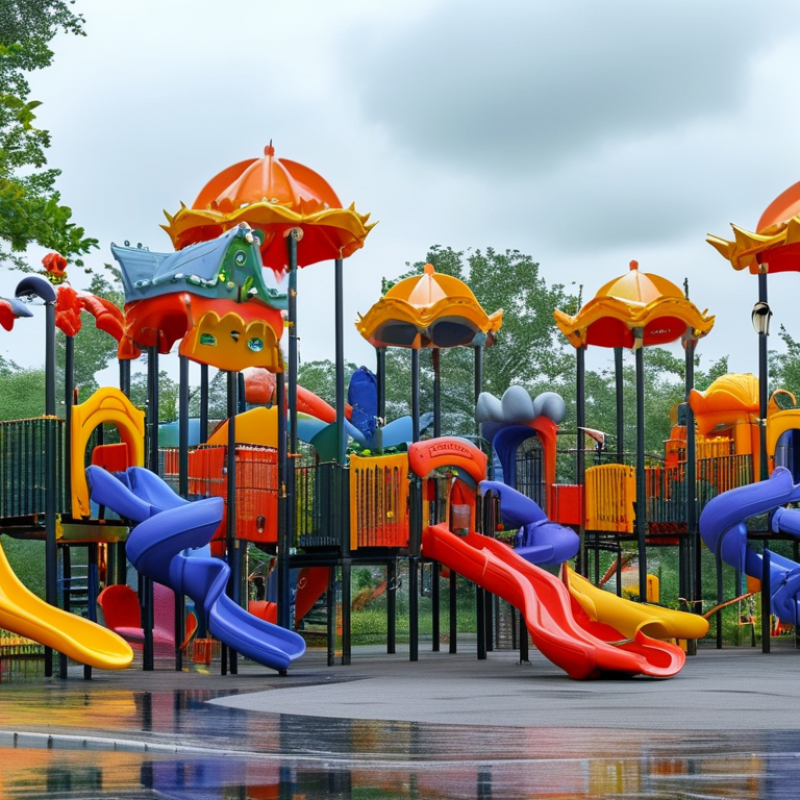
Choosing among the 2026 Best Playground In The Park Equipment Suppliers requires more than comparing colorful slides and low prices. A reliable supplier should understand child development, site planning, material durability, accessibility, maintenance, and recognized safety standards. Equipment must fit the park’s age groups, climate, space, and daily traffic. A beautiful structure can still fail when drainage is poor or inspection access is limited.
Dr. Joe L. Frost, a respected playground researcher, described play as “the business of childhood.” That simple idea matters. A strong Playground In The Park should invite climbing, balancing, pretending, social interaction, and quiet discovery. It should feel exciting, but never careless. Look for suppliers with documented testing, experienced designers, clear installation guidance, and responsive after-sales support. Ask for project references, not only polished photographs. Visit a completed site if possible. See the worn handrails, shaded seating, and pathways after rain.
The best supplier is not always the largest. Sometimes, a smaller specialist listens better and adapts the design more carefully. That is worth considering. Yet supplier claims still need independent review, because marketing language can hide practical weaknesses. Check warranties, spare-part availability, surface requirements, and inspection schedules before signing a contract. Local conditions matter greatly. A coastal park needs different protection from a dry inland playground.
This guide examines leading suppliers through an experience-based lens. It considers design quality, safety documentation, customization, value, and long-term service. No ranking is perfect. Parks differ, budgets shift, and children use spaces in unpredictable ways. That uncertainty should shape a wiser purchase.
What Defines a High-Quality Playground in the Park Equipment Supplier
2026 Best Playground In The Park Equipment Suppliers
What Defines a High-Quality Playground in the Park Equipment Supplier
A high-quality supplier understands how children actually use public play spaces. They study climbing patterns, running routes, gathering areas, and accessible movement. Their designs support different ages without creating hidden conflict points. Small details matter. Rounded edges, stable handrails, and shaded seating improve daily use.
Reliable suppliers provide clear material specifications and practical installation guidance. They explain the strength, coating, drainage, and expected maintenance of every major component. Independent safety testing should support their claims. Ask for evidence. A professional supplier also understands local playground standards and site conditions, including soil, weather, fall zones, and surface drainage.
Experience becomes visible during planning, not only after delivery. Skilled teams inspect the park, review user capacity, and adjust layouts before production. They should provide drawings, inspection records, replacement advice, and a realistic maintenance schedule. Transparent communication builds trust, especially when a requested feature is unsuitable. A quotation may look attractive, yet weak after-sales support can create expensive problems later.
No supplier gets every decision right. Good suppliers admit uncertainty and invite technical review. They also record design changes instead of relying on verbal promises. During site work, accurate measurements matter more than impressive presentations. A trustworthy partner remains available when paint fades, fasteners loosen, or community needs change. That response often reveals more than the original product brochure.
Key Equipment Categories for Modern Public Park Playgrounds
Modern public playgrounds need more than colorful structures. They require equipment categories that support varied ages, abilities, movement styles, and supervision needs.
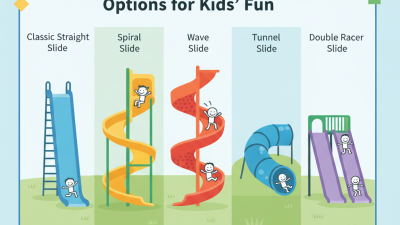
Climbing equipment builds grip strength, balance, and controlled risk-taking. It may include ramps, nets, ladders, and low traversing walls. Slides add speed and excitement, but their height, exit space, and surface temperature deserve careful review. Swings remain essential, with options for toddlers, older children, and users needing additional back support. Each seat should have secure restraints and generous spacing.
Movement equipment can include spring riders, rotating platforms, balance beams, and stepping pods. These pieces encourage coordination without demanding advanced athletic skills. Inclusive play elements, such as transfer platforms, sensory panels, and accessible routes, help more children participate together. Shade structures, benches, drinking stations, and clear sightlines also belong in the equipment plan. They support caregivers, not just children.
Water and sand areas create quieter, sensory-rich experiences. They need drainage, washable surfaces, and simple maintenance access. Suppliers should provide tested materials, installation guidance, inspection schedules, and replacement-part information. Real project experience matters here. A design can look impressive but still create blind spots or difficult cleaning tasks. No layout is perfect. Seasonal heat, heavy rain, vandalism, and changing community needs may expose weaknesses later. A careful supplier welcomes that review and adjusts the specification before installation.
Safety Standards and Certification Requirements for Playground Equipment
2026 Best Playground In The Park Equipment Suppliers: Safety Standards and Certification Requirements
Safe playground equipment begins with recognized standards, not attractive drawings. Suppliers should show compliance with relevant requirements, such as ASTM F1487 or EN 1176. Local regulations may add stricter rules. Confirm them before purchasing.
Ask for test reports covering fall height, impact absorption, openings, handrails, and structural strength. Surfaces beneath slides and climbing frames need suitable impact protection. Measure the fall zone on site. A few centimeters can matter. Check accessible routes, transfer points, and usable seating areas. Materials should resist corrosion, sharp edges, harmful coatings, and extreme weather.
A certificate is not enough. Request installation instructions, inspection schedules, maintenance records, and component traceability. Qualified inspectors should review bolts, welds, platforms, and drainage after installation.
Practical site reviews often reveal problems that factory documents miss. A gate may swing into a fall zone. Loose surfacing may hide a hard patch. Small defects become serious during busy afternoons.
Suppliers should provide clear corrective procedures and rapid technical support. Independent testing adds confidence, but it does not replace local approval. Requirements can also change, so records need regular review. No supplier gets everything perfect. Careful questioning remains part of responsible procurement.
How to Evaluate Playground Equipment Suppliers in 2026
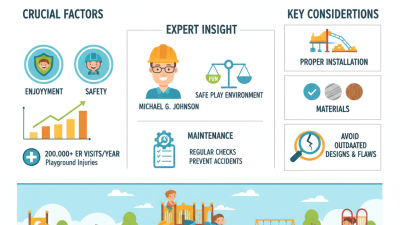
Choosing playground equipment suppliers in 2026 requires more than comparing colorful catalogs. In field inspections, I look for evidence behind every promise. Ask for material specifications, load ratings, safety test reports, and installation procedures. A polished brochure proves little. Reliable suppliers explain how platforms resist moisture, edges stay smooth, and fasteners remain secure after repeated use. They should also provide maintenance schedules for slides, swings, surfacing, and drainage.
Evaluate practical experience through completed projects similar to yours. Request site photos, client references, and clear project dates. Speak with facility managers, not only sales representatives. Ask how quickly replacement parts arrive and who handles repairs after handover. Good technical teams explain fall zones, age separation, accessibility, and local safety requirements clearly. Documentation should be current, readable, and consistent with the quoted equipment.
Price deserves attention, but the lowest bid may conceal thinner materials or higher maintenance costs. Compare the full life cycle: delivery, installation, inspections, spare parts, and surface renewal. I still question supplier promises when warranty terms exclude common outdoor wear. That may be fair, or it may signal weak accountability. Trust grows when suppliers admit limitations, record changes, and offer realistic timelines. Visit an installed playground if possible. Watch children use it. Real behavior often reveals design problems that drawings miss.
2026 Best Playground In The Park Equipment Suppliers — How to Evaluate Playground Equipment Suppliers in 2026
Safety documentation is a key supplier-evaluation factor. The chart shows the minimum compressed loose-fill surfacing depth recommended by the U.S. Consumer Product Safety Commission for an 8-foot critical fall height.
When comparing suppliers, verify that their equipment specifications, installation plans, and surfacing recommendations meet the applicable local safety requirements. CPSC guidance is U.S.-oriented and should be used alongside the standards and regulations required in the project location.
Source: U.S. Consumer Product Safety Commission, Public Playground Safety Handbook, loose-fill surfacing recommendations for critical fall heights.
 +86-13901441113

 CONTACT NUMBER
 CONTACT NUMBER