2026 Top Outdoor Play Slide Trends for Global Buyers
In 2026, the landscape of outdoor play slides is evolving rapidly. Global buyers are keen to discover the latest trends in outdoor play equipment. Outdoor play slides have become essential for children's physical activity and creative play.
Modern designs now focus on safety, durability, and aesthetics. Bright colors and innovative shapes attract children and enhance playground environments. However, while trends emphasize fun and safety, some buyers may overlook the importance of sustainable materials.
Environmental impact is a growing concern. Buyers must consider the lifecycle of outdoor play slides, from production to disposal. It invites reflection on how choices affect future generations. As the industry advances, staying informed about emerging trends will shape the future of outdoor play for children everywhere.
Emerging Designs in Outdoor Play Slides for 2026
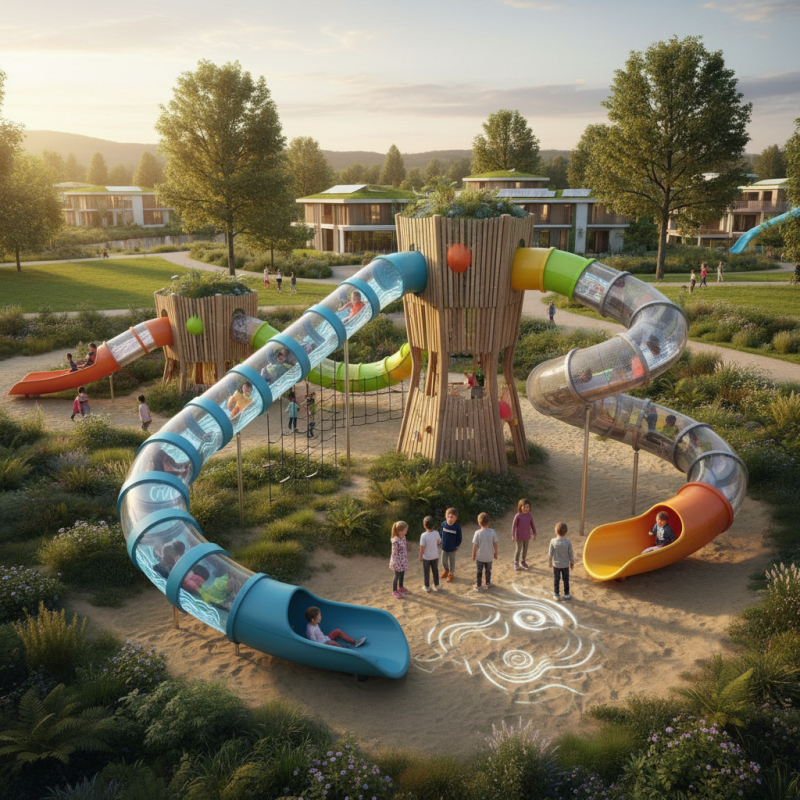
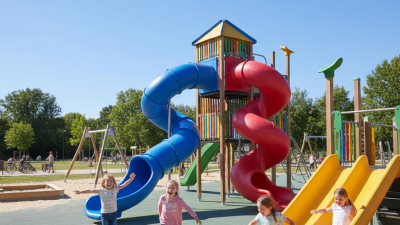
As we look forward to 2026, outdoor play slides are evolving significantly. Emerging designs reflect a shift towards user experience and safety. Curved slides, for example, are becoming more popular. They offer a thrilling yet safe descent. Many are designed for both children and adults, enhancing family playtime.
Colorful, themed slides are also gaining attention. These slides create immersive play environments. Many feature unique shapes and bright colors, appealing to young imaginations. Yet, this focus on aesthetics can sometimes overshadow practical considerations. It’s essential to evaluate the materials used. Durability is critical.
Sustainability is another emerging trend. Eco-friendly materials are being prioritized in slide construction. Manufacturers are aiming for designs that lessen environmental impact. However, not all companies fully commit to this philosophy. Parents should ask questions about product life cycles. A balance between fun and responsibility is vital for future play spaces.
2026 Top Outdoor Play Slide Trends
Sustainability Trends in Materials for Slide Manufacturing
The outdoor play slide industry is shifting towards sustainable materials. As concerns about the environment rise, manufacturers are pivoting to eco-friendly options. This trend benefits both children and the planet. Innovations include recycled plastics and natural wood products. These materials reduce waste and lower carbon footprints.
Tips for choosing sustainable slides: Look for certifications that indicate eco-friendly practices. Pay attention to the lifespan of materials. Invest in products that last longer, reducing the need for replacements. Consider local sourcing to minimize transportation emissions. This contributes to a healthier environment and supports local economies.
Another trend is the use of non-toxic coatings. Parents are increasingly concerned about safety. Slide surfaces must be safe for children. Reliable manufacturers prioritize non-toxic finishes in their designs. However, not all companies are transparent about their ingredients. It’s essential to ask questions and seek clarity. Doing so ensures that children can enjoy slides worry-free while also protecting the environment.
2026 Top Outdoor Play Slide Trends for Global Buyers - Sustainability Trends in Materials for Slide Manufacturing
| Trend |
Description |
Material Type |
Environmental Impact |
Market Demand |
| Recyclable Materials |
Increasing use of materials that can be recycled at end of life. |
HDPE (High-Density Polyethylene) |
Reduces landfill waste. |
High |
| Biodegradable Plastics |
Use of biodegradable materials that naturally decompose. |
PLA (Polylactic Acid) |
Less pollution in landfills. |
Moderate |
| Sustainable Sourcing |
Materials sourced from sustainable practices and suppliers. |
Bamboo |
Reduces deforestation impact. |
Growing |
| Reclaimed Materials |
Use of reclaimed wood and other materials for construction. |
Reclaimed Wood |
Minimizes use of new resources. |
Increasing |
| Non-Toxic Coatings |
Application of safe, non-toxic finishes and coatings on slides. |
Natural Oil Finishing |
Promotes child safety and health. |
High |
Innovative Safety Features for Outdoor Play Structures
Outdoor play structures are evolving rapidly. As we approach 2026, innovative safety features are emerging to enhance children’s play experiences. These features focus on physical safety and mental well-being. Climbing walls now come with padded edges, minimizing the risk of injuries. Equipment is designed with softer materials to cushion falls, addressing common concerns among parents.
Another intriguing trend is the incorporation of interactive elements. These promote engagement while ensuring safety. For example, slides with translucent panels allow visibility, reducing anxiety for younger users. Additionally, color-coded safety zones help children understand safe play areas. Designers are also exploring modular construction. This creates customizable spaces that adapt as children grow, requiring ongoing safety assessments.
Despite these advancements, challenges remain. Many designs still lag in accessibility for children with disabilities. Safety features can make structures look cumbersome or uninviting. Balance is key. Safety should never overshadow the joy of play. Continuous feedback from caregivers and educators is crucial. This ensures that innovations meet practical needs while fostering creativity and exploration in outdoor environments.
Integration of Technology in Outdoor Play Slide Experiences
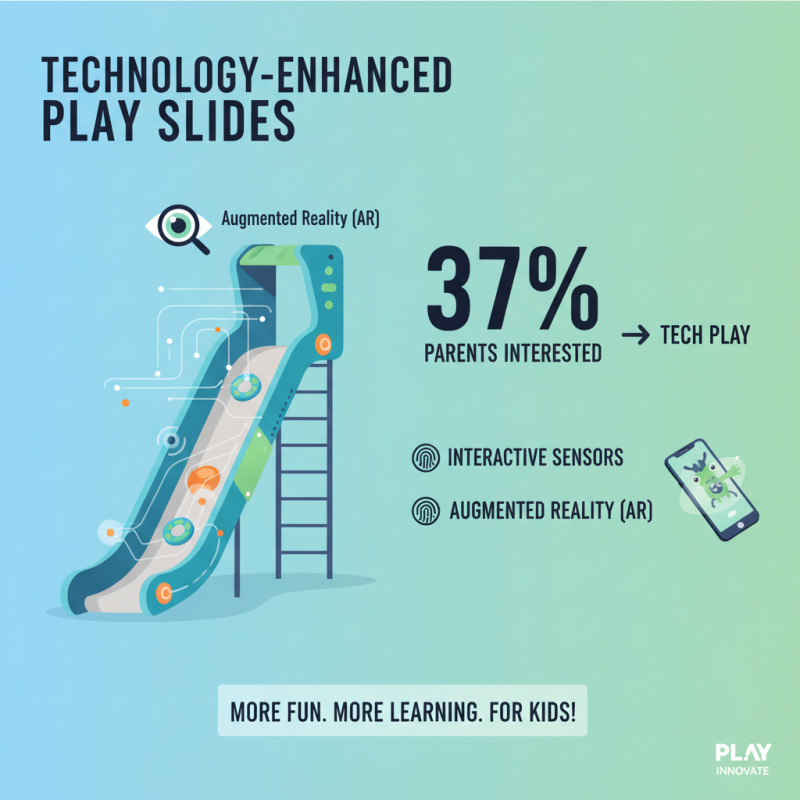
The integration of technology in outdoor play slides is transforming how children interact with playgrounds. According to industry reports, 37% of parents are interested in tech-enhanced play experiences. This trend highlights a growing demand for slides that make use of augmented reality (AR) and interactive sensors. Children can engage with these features, which promote both fun and educational outcomes.
Many outdoor playgrounds are now experimenting with light-up features and sound effects. This integration not only attracts kids but also encourages physical activity. Research shows that 75% of children are more likely to play longer in environments with engaging tech. However, not all installations meet safety standards or are durable enough for heavy use, which raises concerns among parents and educators alike.
The shift towards tech in play experiences means that designers must prioritize reliability and safety. Unforeseen issues, like sensor malfunctions, can lead to frustrations. It's crucial that playgrounds test these installations thoroughly before public use. Continual improvements can enhance the play experience. Yet, understanding the balance between technology and traditional play remains a challenge for many designers in the field.
Global Market Insights: Consumer Preferences in Play Equipment
As outdoor play evolves, understanding consumer preferences is crucial. In 2026, buyers are gravitating towards slides that offer unique experiences. Eco-friendly materials are in demand. Buyers favor slides made from sustainable sources. This reflects growing environmental consciousness among consumers.
Safety remains a top priority. Features like non-slip surfaces and rounded edges attract parents. They are keen on ensuring a safe play environment for their children. Colorful designs and interactive elements enhance the visual appeal. Slides that integrate with natural surroundings are also gaining traction.
Tips:
Look for slides that offer a theme. A pirate ship or jungle can excite kids. Choose options that fit your space. A compact slide is perfect for smaller yards. Always prioritize safety features when shopping.
 +86-13901441113

 CONTACT NUMBER
 CONTACT NUMBER