2026 Top Outdoor Play Structure Trends You Need to Know?
As we look towards the future, the world of outdoor play structures is evolving rapidly. Innovative designs and fresh ideas are capturing the imagination of kids and parents alike. The trends for 2026 are not just about aesthetics; they focus on functionality and safety.
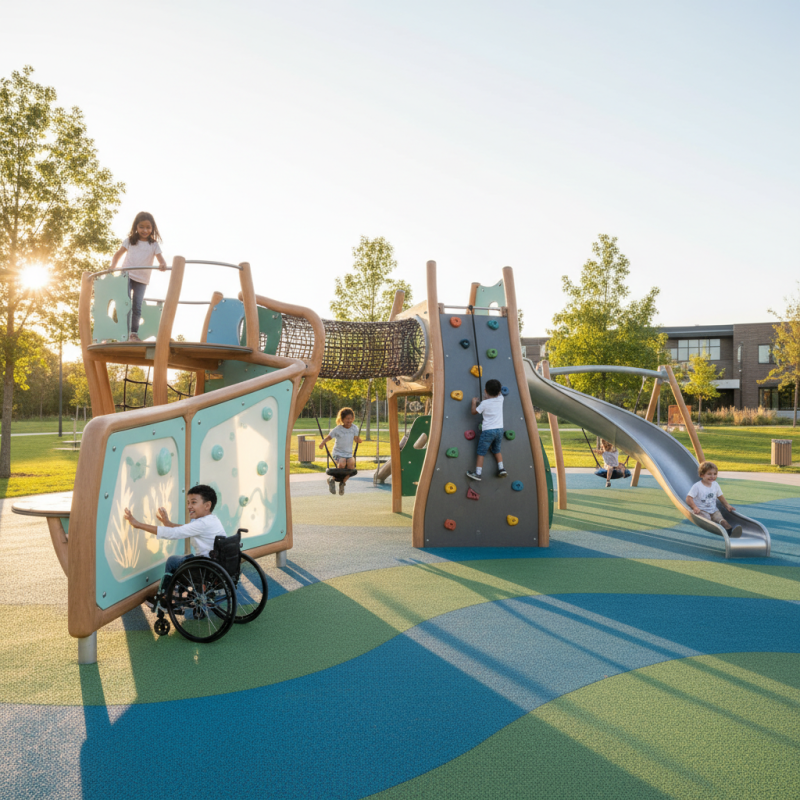
Modern outdoor play structures are becoming more inclusive. They promote physical activity and creativity. Features like climbing walls, interactive panels, and sensory zones are gaining popularity. These structures encourage children to explore and engage in active play.
However, not all designs hit the mark. Some lack safety measures or can be overly complex. It’s essential to reflect on what truly benefits children's play experiences. Understanding these trends can help make informed choices. A well-designed outdoor play structure can transform any space into an adventure hub.
Emerging Materials and Designs in Outdoor Play Structures for 2026
As we look toward 2026, outdoor play structures are evolving rapidly. Emerging materials are changing how these spaces are designed. Sustainable options like recycled plastics and bamboo are gaining traction. These materials are durable and environmentally friendly. In addition, they provide unique aesthetics that enhance play areas. The use of bright colors and natural textures is becoming more common.
Innovative designs are also shaping play structures. Climbing walls, sensory gardens, and interactive zones are on the rise. These elements encourage exploration and creativity. However, some designs may be overwhelming for younger children. Age-appropriate features are essential for safety and enjoyment. Developers need to consider balance in their designs.
The trend is shifting toward community-focused structures. Play areas are becoming gathering spots for families. However, space limitations can hinder creativity. Striking a balance between play equipment and open area is important. Designers must reflect on these challenges while creating engaging environments. The future of outdoor play structures is bright, but it requires thoughtfulness and innovation.
Incorporating Eco-Friendly Features in Play Structures
As outdoor play structures evolve, incorporating eco-friendly features becomes vital. Parents and communities want options that are safe for children and the environment. Using reclaimed wood or recycled materials can create durable and sustainable structures. It offers a sense of connection with nature. Children learn the importance of sustainability through play.
Integrating green roofs and living walls is another trend. These features improve air quality and create habitats for local wildlife. Kids can explore and appreciate nature right in their play area. However, choosing the right plants for these installations can be challenging. Not every plant thrives in play structure environments. It's essential to select species that are hardy and safe for children.
Designing spaces that use natural elements enhances the play experience. Consider adding boulders, logs, or sand from local sources. These materials promote imaginative play and physical activity. However, the availability of such resources can vary. Sometimes, ideas exceed what is realistically achievable. Rethinking how we design and source materials can lead to more innovative solutions. Balancing aesthetics, safety, and sustainability is a complex task.
2026 Top Outdoor Play Structure Trends You Need to Know - Incorporating Eco-Friendly Features
| Trend |
Description |
Eco-Friendly Feature |
Material Used |
Target Age Group |
| Nature-Inspired Design |
Structures that mimic natural elements to enhance outdoor play. |
Made from reclaimed wood and natural finishes. |
Reclaimed wood, bamboo. |
3-10 years |
| Modular Play Systems |
Flexible and customizable play structures that grow with children. |
Components made from recycled plastics. |
Recycled polyethylene, stainless steel. |
2-12 years |
| Inclusive Play Areas |
Structures designed for children of all abilities. |
Sensory-rich materials that promote engagement. |
Recycled rubber, eco-friendly paints. |
3-14 years |
| Sustainable Landscaping |
Integration of vegetation and play structures for a holistic experience. |
Native plants and erosion-resistant materials. |
Sustainable sourced natural stone, soil-friendly materials. |
All ages |
Innovative Safety Standards Shaping Outdoor Play Spaces
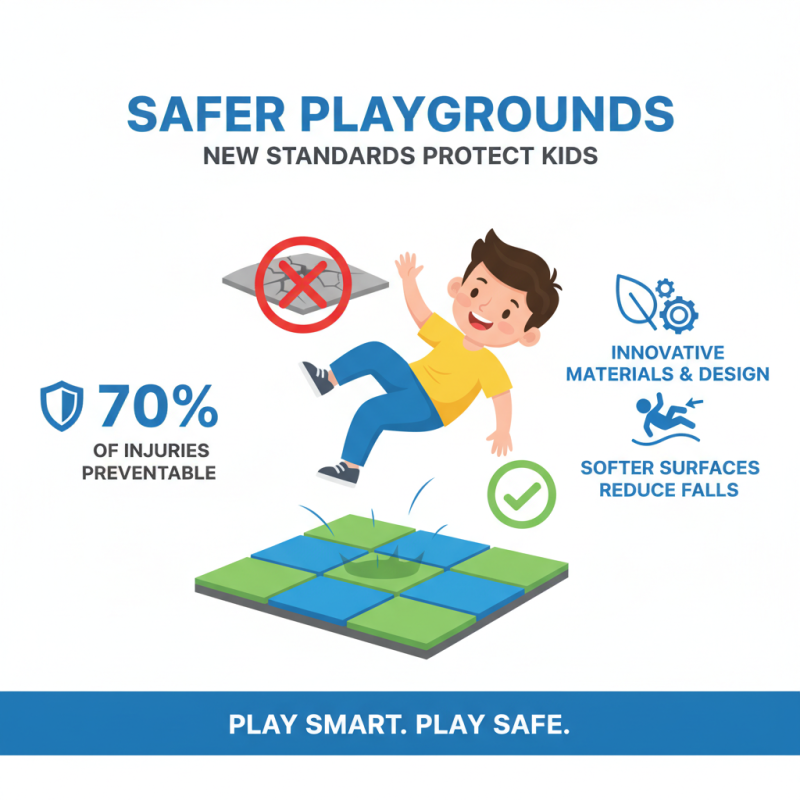
Innovative safety standards are transforming outdoor play spaces. According to a recent industry report, 70% of playground injuries are preventable. New guidelines focus on materials and design. For instance, softer ground surfaces can significantly reduce the risk of falls. This is critical for children’s safety.
Recent studies show that 90% of parents seek safer play environments. They want equipment that minimizes injury risks. Enhanced safety features are now a priority in play structure design. Features like rounded edges and inclusive access points are becoming common. However, not all designers fully embrace these advancements. Some still prioritize aesthetics over safety. This raises questions about industry accountability.
Compliance with safety standards is a challenge. Many play structures do not meet the latest requirements. Regular inspections are essential, yet often neglected. Continuous improvement is necessary in the outdoor play space sector. By aligning design with stringent safety measures, we can create safer, more engaging play environments for children.
Integrating Technology into Play Structures for Interactive Experiences
The integration of technology into outdoor play structures is changing the way children interact with their environment. Imagine a play structure equipped with sensors that respond to children’s movements, creating an interactive atmosphere. Kids can jump, run, and climb while triggering lights and sounds. This sensory feedback enhances the overall play experience and keeps kids engaged for longer periods.
Engagement is key in modern play design. For example, consider augmented reality (AR) elements that encourage exploration. Kids might use a device to discover hidden characters or challenges in the playground. However, implementing this technology also raises questions. Does it distract from physical play? Are children missing out on essential social interactions? Balancing technology and outdoor play is essential for wholesome development.
Moreover, incorporating technology means maintenance and security. Regular updates and checks become necessary to ensure safety and functionality. This can be overwhelming for some playground operators. How do we maintain a high-tech environment while prioritizing safety? Finding the right balance between innovation and traditional play is crucial as we design the playgrounds of the future.
Trends in Inclusive Play Design for Children of All Abilities
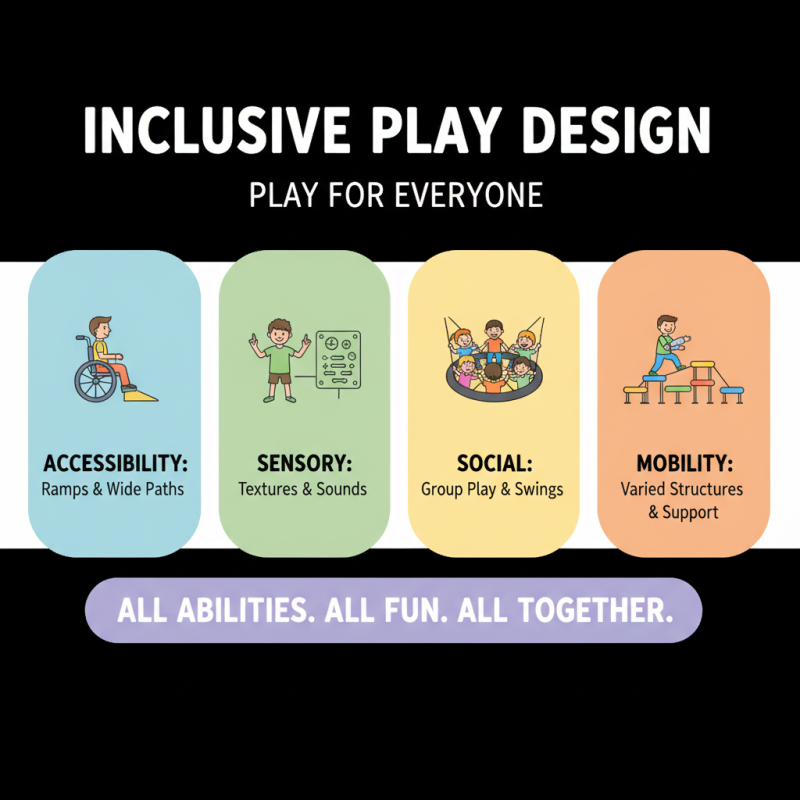
Inclusive play design is an essential trend in outdoor structures. Children of all abilities deserve the chance to play together. This means considering mobility, sensory needs, and social interaction in design. Playgrounds must be accessible to kids with limited mobility. Ramps and wide paths help everyone join the fun.
Sensory play areas are also gaining popularity. Different textures, sounds, and visual elements engage children’s senses. These features cater to varying preferences and needs. Children can learn through exploration and interaction. Designing spaces for quiet retreats is another thoughtful consideration. Not every child thrives in chaotic environments.
Materials play a role too. The textures should be safe yet stimulating. Colors must be appealing and not overwhelming. A balance between stimulation and calm is crucial. While many designs focus on inclusivity, some may still overlook specific challenges. Ongoing reflection and improvement are necessary to create truly inclusive spaces.
 +86-13901441113

 CONTACT NUMBER
 CONTACT NUMBER