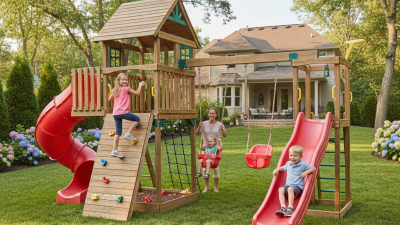
Best Outdoor Playground Slides for Safe Fun and Adventure?
When it comes to children's outdoor play, Outdoor Playground Slides are essential for fostering fun and adventure. According to a recent report by the Outdoor Foundation, over 60% of parents prioritize safe outdoor equipment for their kids. This statistic highlights the growing awareness of safety in playground design. Expert Sarah Thompson, a renowned playground design consultant, emphasizes, “A well-designed slide not only encourages play but also ensures safety for our children.”
Safety features in Outdoor Playground Slides have evolved significantly. Materials have become more durable and designs have adapted to minimize risks. The International Playground Equipment Manufacturers Association has established guidelines that emphasize soft edges and impact-absorbing surfaces. Yet, there's always room for improvement. Some slides still lack proper maintenance, leading to accidents. Vigilant supervision is crucial to ensure the safety of playground experiences.
The best Outdoor Playground Slides not only offer excitement but also support physical fitness. Engaging children in physical activity outdoors is vital for their development. However, parents should remain aware of the need for safety checks. Regular inspections can prevent potential hazards. Balancing thrill with care is key to creating safe playground environments.
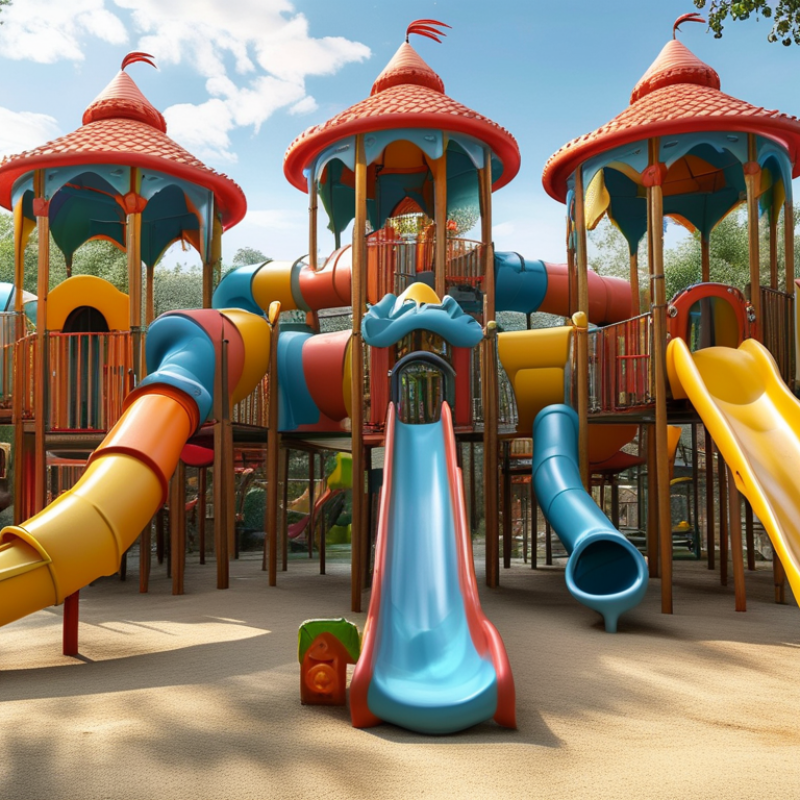
Types of Outdoor Playground Slides for Various Age Groups
When selecting outdoor playground slides, considering the age group is crucial. Slides designed for toddlers emphasize safety. These slides are shorter and have gentle inclines. Their materials are softer, reducing the chance of injuries. Bright colors catch the eyes of young children, encouraging exploration and play. Watching toddlers slide down with glee reminds us of the simple joys of childhood.
For preschoolers, the design becomes more adventurous. The slides can be a bit steeper, allowing for a greater thrill. They often come integrated with climbing structures. These tend to foster motor skills and promote social interaction. However, the risk of falls increases slightly, so supervision remains essential. Refining safety measures is a constant need, ensuring every child has a safe experience.
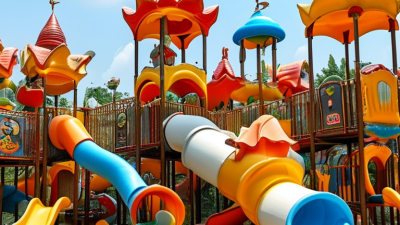
Once children reach school age, they crave more excitement. Larger, spiral slides offer thrilling experiences. They may incorporate unique twists or additional features like tunnels. While these slides are fun, adult supervision is still vital. Reviewing equipment regularly ensures it meets safety standards. This proactive approach builds a trusted environment where kids can explore. Balancing fun with safety is an ongoing challenge for parents and providers alike.
Key Safety Features to Look for in Playground Slides
When choosing playground slides, safety features are essential. According to the American Society for Testing and Materials (ASTM), around 200,000 children visit emergency rooms each year due to playground-related injuries. Hence, robust slide designs with appropriate safety measures can significantly reduce these risks.
One vital feature is the slide's height. Slides taller than six feet can increase the potential impact during a fall. Additional safety elements like high sidewalls prevent children from falling off during play. Materials matter too; slides made from smooth plastic reduce friction and minimize skin abrasions, offering a safer experience. Furthermore, the use of slip-resistant surfaces helps prevent accidents, especially when slides are wet.
Creating a safe play environment goes beyond just the structure. Regular maintenance is crucial. Cracked or worn-out surfaces can lead to injuries. It’s important to evaluate the equipment regularly to ensure it meets safety standards. Inadequate supervision during playtime can also pose risks. Engaging caregivers and teaching children about safe use can enhance overall safety. Always remember, a fun playground is built on solid safety principles.
Materials and Durability: Choosing the Right Slide for Your Space
When selecting outdoor playground slides, materials and durability are paramount. A slide made from high-quality plastic stands against weather elements. Look for UV-resistant options that prevent fading from sunlight. Metal slides offer a shiny allure but can heat up in the sun. Choosing the right material ensures safety and longevity.
The design of the slide also impacts its durability. Curved and straight slides have different stress points. Curved slides can be less stable, requiring strong joints and attachments. Wooden slides, though aesthetically pleasing, need protective coatings to resist moisture and insects. Regular checks for wear and tear help maintain safety standards.
Consider the environment the slide will face. In rainy areas, drainage systems are vital to prevent wobbling. Slides in sunny places may need extra attention for materials that can become too hot. Balancing fun and safety is key, and sometimes the aesthetics might distract from practical choices. Reflecting on these factors can lead to better outdoor adventures.
Best Outdoor Playground Slides: Materials and Durability Comparison
Installation Tips for Ensuring Safe and Fun Playground Experiences
When installing outdoor playground slides, safety should always be a top priority. A report from the American Society for Testing and Materials (ASTM) highlights that over 200,000 children are treated for playground injuries annually in the U.S. Proper installation can significantly reduce these risks. Ensuring that slides have a minimum height and are positioned on a cushioned surface, such as mulch or sand, can help absorb impacts.
Consider the slide's location and surrounding environment. Positioning slides away from trees, metal structures, or other hard surfaces minimizes hazards. A study conducted by the National Program for Playground Safety emphasizes that well-planned layouts can prevent injuries. The area around slides should be free of debris and overly crowded equipment. Keeping a safe distance from other play structures allows for a more secure play experience.
While the design often looks appealing, it’s crucial to question if the installation meets safety standards. Regular maintenance checks for loose bolts or surface degradation can prevent accidents. Community input can also be invaluable in maintaining a safe playground. Engaging parents and children in discussions about their experiences fosters a culture of safety and continuous improvement.
Best Outdoor Playground Slides for Safe Fun and Adventure?
| Slide Type |
Material |
Age Group |
Height |
Safety Features |
Installation Tips |
| Straight Slide |
Plastic |
2-6 years |
5 ft |
Non-slip surface, High sides |
Ensure stable base; check for sharp edges |
| Curved Slide |
Metal |
3-8 years |
6 ft |
Safety rails, Soft landing zone |
Securely fasten to the ground; regular maintenance checks |
| Slide with Climbing Wall |
Plastic/Metal |
5-10 years |
7 ft |
Anchored at base, Handholds for climbing |
Check for wear on climbing holds; stabilize with concrete |
| Double Slide |
Plastic |
3-6 years |
5 ft |
Smooth edges, Wide slide path |
Ensure both slides are level; provide soft mulch underneath |
| Tube Slide |
Plastic |
4-10 years |
8 ft |
Covered design, Soft entry/exit |
Install on secure platform; check for debris in slide |
Maintenance Guidelines to Keep Your Playground Slide in Top Condition
Maintenance is crucial for any outdoor playground slide. Regular inspection is necessary to identify wear and tear. Check for cracks or sharp edges. These can pose safety risks to children. Inspect the slide structure for stability as well. A loose slide can lead to accidents.
Cleaning the slide is vital for hygiene and safety. Use mild soap and water to remove dirt and debris. Avoid harsh chemicals that could damage the surface. Focus on spots that children frequently touch. Keeping the slide clean helps prevent slips and falls. Apply a wax coating periodically to maintain its finish.
Keep an eye on the surrounding area too. Loose gravel or wood chips can create hazards. Ensure the ground is level and free from obstacles. Reflect on how your maintenance routine can improve safety. Small changes can lead to significant benefits in children's play experiences. Understanding these details makes a big difference in maintaining a safe playground environment.
 +86-13901441113

 CONTACT NUMBER
 CONTACT NUMBER