+86-13901441113


China Best Outdoor Playground Sets Manufacturers are increasingly shaping public parks, schools, resorts, and family entertainment spaces worldwide. Their strength often combines large-scale production, material sourcing, engineering experience, and flexible customization. However, attractive designs alone cannot define a dependable supplier.
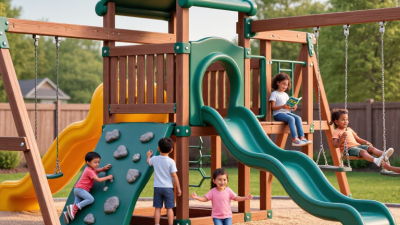
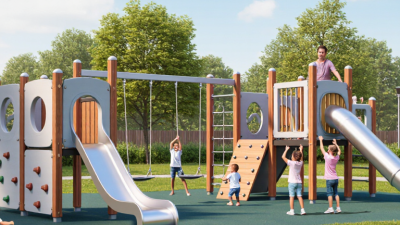
Outdoor Playground Sets should support active movement, imaginative play, social interaction, and age-appropriate challenge. A well-designed climbing tower may include textured steps, shaded platforms, secure handrails, and impact-absorbing surfacing. Small details matter.
“Play is not a luxury; it is a biological necessity,” says Dr. Stuart Brown, a leading play researcher and founder of the National Institute for Play. His view highlights an important purchasing principle: playground equipment must serve children’s development, not merely fill an outdoor space.
Reliable Chinese manufacturers usually provide layout planning, product drawings, material specifications, installation guidance, and maintenance recommendations. Buyers should examine welding quality, powder-coating performance, drainage design, fasteners, load testing, and spare-parts support. Compliance with relevant standards, such as EN 1176 or ASTM F1487, should be verified for the intended market. Certificates deserve careful checking.
Experience also brings uncomfortable questions. Is the equipment suitable for local weather? Can staff inspect hidden joints easily? Will replacement parts remain available after several years? A bright color cannot answer these concerns.
No factory is flawless. The best manufacturers acknowledge limitations, document testing, and improve designs after real-world feedback. This introduction explores how to evaluate China’s leading Outdoor Playground Sets manufacturers through product quality, safety thinking, customization ability, production capacity, and long-term service. Good playgrounds invite laughter. Great ones earn trust.
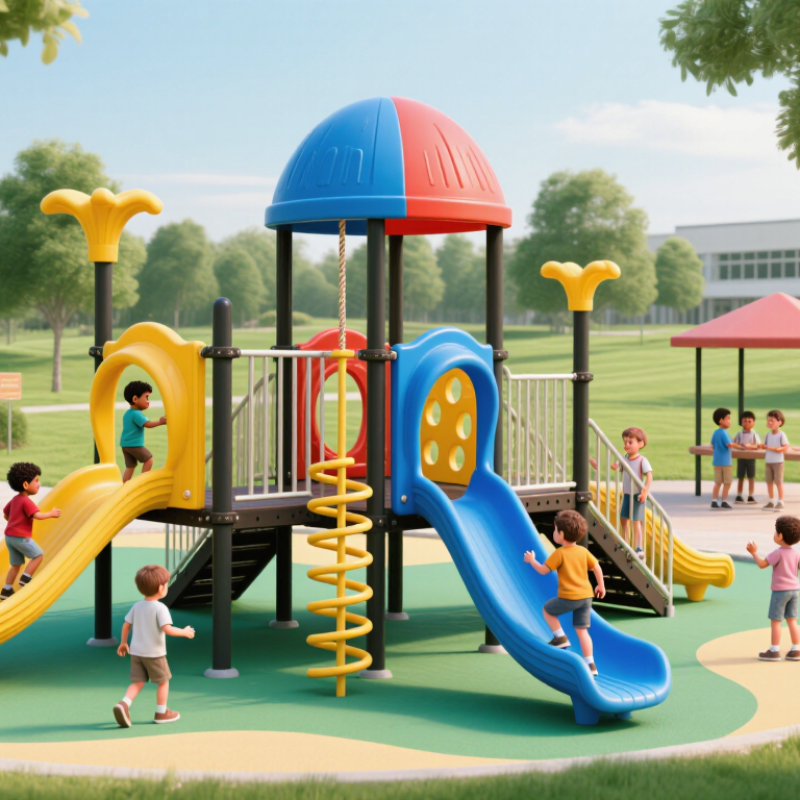
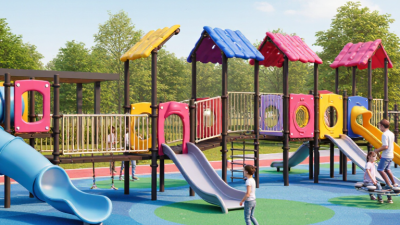
Chinese manufacturers produce several outdoor playground set types for schools, parks, resorts, and residential communities. Modular plastic systems are common for younger children. They usually combine slides, small climbers, tunnels, and low platforms. Their bright colors attract attention, while rounded edges support safer daily play.
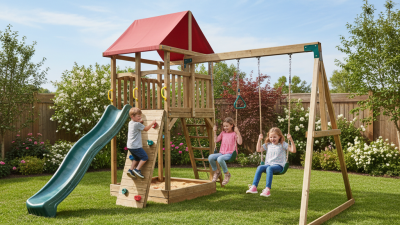
Metal playground sets suit active users and heavy public traffic. Powder-coated steel frames can support swings, climbing walls, balance bridges, and larger slides. Stainless steel is often selected for handrails and fasteners. Wooden sets create a warmer landscape appearance. Manufacturers may use treated timber for towers, rope bridges, and imaginative play houses. However, wood needs careful moisture control and regular inspection.
Inclusive playground sets include ramps, transfer platforms, sensory panels, and accessible swings. These features help children with different abilities play near their peers. Adventure-style systems add rope nets, ladders, rotating elements, and challenging climbing routes. Some factories also produce water-play equipment with splash arches and shallow channels. These systems require strong drainage planning.
In practical projects, mixed-material sets often perform better than one-material designs. Plastic feels friendly, metal handles demanding movement, and wood adds visual warmth. The choice is not always obvious. A beautiful set may still fail if shade, surfacing, or drainage is ignored. Manufacturers with engineering experience usually provide drawings, load information, installation guidance, and inspection recommendations. Buyers should request material details, test documentation, and replacement-part plans before production. Even a small bolt deserves attention.
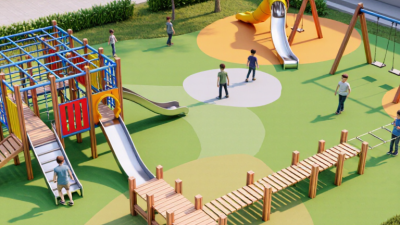
China’s leading outdoor playground set manufacturers are defined by engineering discipline, not colorful designs alone. They study site size, child age groups, drainage, shade, and daily visitor flow before proposing equipment. Grand View Research reported steady global playground equipment growth, with demand supported by public parks, schools, and residential developments. This growth raises the need for repeatable production and documented quality control.
Reliable manufacturers use powder-coated steel, UV-resistant plastics, rounded edges, and concealed fasteners. Their factories should verify weld strength, coating adhesion, rope wear, and platform stability through recorded inspections. Designs should also reference standards such as EN 1176 or ASTM F1487, depending on the destination market. The U.S. Consumer Product Safety Commission reports roughly 200,000 playground-related injuries requiring emergency treatment each year. Impact-attenuating surfacing, correct fall zones, and guarded openings therefore matter more than decorative complexity.
Customization is another key feature. Experienced suppliers can adjust slide height, deck spacing, colors, and accessibility features for different climates and budgets. They should provide CAD drawings, installation guides, spare-part lists, and inspection advice after delivery. Details matter.
However, no manufacturer gets every detail right. Some product catalogs look impressive but provide limited testing evidence or vague material specifications. Buyers should request sample reports, factory inspection records, and references from comparable projects. A careful evaluation may feel slower, yet it exposes weak drainage, insufficient shade, or maintenance costs before installation begins.
| Evaluation Dimension | Common Industry Benchmark | Key Features of Leading Manufacturers | Recommended Verification |
|---|---|---|---|
| Safety Compliance | Products are commonly designed against public-playground requirements such as ASTM F1487 or the EN 1176 series, depending on the destination market. | Dedicated safety design reviews, hazard-point analysis, age-group classification, and documented compliance procedures. | Request current test reports, technical drawings, product age range, and the exact standard edition used. |
| Fall Protection | Impact-attenuating surfacing should be tested for critical fall height under standards such as ASTM F1292 or EN 1177. | Manufacturers provide fall-height data, safety-zone layouts, and compatible rubber, engineered wood fiber, sand, or synthetic surfacing options. | Compare the highest fall height of the equipment with the tested critical fall height of the surfacing system. |
| Structural Materials | Outdoor frames commonly use galvanized or stainless steel; panels and molded components commonly use weather-resistant plastic. | Material options are matched to climate, corrosion exposure, load requirements, and expected maintenance conditions. | Check steel grade, tube dimensions, galvanizing process, plastic specifications, and material certificates. |
| Corrosion Resistance | Hot-dip galvanizing, zinc-rich protection, stainless steel, or exterior powder coating may be used according to the environment. | Coating systems are selected for humid, coastal, high-UV, or freeze-thaw conditions rather than using one finish for every project. | Ask for coating specifications, surface-preparation details, salt-spray results where applicable, and environmental limitations. |
| Plastic Component Quality | Rotationally molded polyethylene is widely used for slides, roofs, tunnels, panels, and activity elements. | UV-stabilized, rounded, impact-resistant components with consistent wall thickness and smooth, enclosed surfaces. | Confirm resin type, UV-stabilizer specification, wall-thickness control, color-fading policy, and sample finish. |
| Design and Customization | Commercial projects commonly require site-specific layouts, theme adjustments, accessibility planning, and customized color combinations. | In-house 2D or 3D design support, configurable modules, custom colors, and layouts adapted to available site dimensions. | Request a dimensioned layout showing equipment footprint, use zones, fall zones, entrances, exits, and circulation paths. |
| Accessibility | Accessibility requirements vary by country; examples include ASTM F1951 for accessible surfacing and local accessibility regulations. | Ground-level activities, transfer platforms, accessible routes, inclusive swings, and varied sensory or physical play options. | Review the accessibility plan against the regulations applicable to the installation location. |
| Manufacturing Quality Control | A documented quality management system, such as ISO 9001-based procedures, supports repeatable production control but does not replace product testing. | Incoming-material inspection, welding checks, dimensional inspection, assembly checks, and pre-shipment review. | Request quality procedures, inspection records, welding qualifications where relevant, and pre-shipment photographs. |
| Installation Support | Installation normally requires site preparation, anchoring, safety-zone measurement, and final inspection. | Clear assembly manuals, numbered components, foundation drawings, installation guidance, and remote or local technical support. | Confirm foundation details, required tools, installer responsibilities, inspection steps, and site-specific engineering needs. |
| Maintenance and Spare Parts | Routine inspection, cleaning, tightening, lubrication where applicable, and replacement of worn or damaged parts are essential for public playgrounds. | Parts lists, maintenance schedules, replaceable components, and support for hardware, seats, panels, slides, and connectors. | Request a maintenance manual, spare-parts catalog, recommended inspection frequency, and documented warranty terms. |
| Packaging and Export Readiness | Export shipments require suitable packing, moisture protection, clear identification, and documentation appropriate for the destination. | Space-efficient packing, corrosion protection, labeled cartons, component inventories, and export documentation support. | Check packing photos, carton dimensions, loading plans, component labels, shipping marks, and required customs documents. |
| Project Suitability | The correct system depends on user age, site size, climate, expected traffic, local regulations, and available safety surfacing. | Manufacturers assess the complete site rather than selecting equipment only by appearance or unit price. | Compare total installed cost, safety-zone requirements, maintenance needs, documentation quality, and long-term serviceability. |
Note: Benchmarks vary by destination market, project type, equipment design, and applicable regulations. Product-specific certificates and test reports should be verified before purchase or installation.
Selecting outdoor playground sets from China requires more than comparing prices and colorful designs. Experienced manufacturers usually specify galvanized steel, UV-resistant plastics, and smooth, splinter-free hardwood alternatives. Each material should match the local climate. Coastal air can accelerate corrosion, while intense sunlight may weaken untreated plastic.
Safety begins during design. Professional factories check fall zones, platform heights, guardrails, openings, and protective surfacing against recognized international standards. Rounded edges and secure fasteners reduce common injury risks. Drainage also matters, especially after heavy rain. A playground that looks safe may still hide standing water or unstable ground.
Quality control should cover every production stage. Inspectors can verify raw materials, weld strength, coating thickness, color consistency, and final assembly. Load testing and repeated movement tests reveal weaknesses before shipment. Documentation matters too, including inspection records, material certificates, installation instructions, and maintenance guidance.
No factory process is flawless. A checklist can miss a small gap or poorly finished bolt. That is why independent inspections and sample testing remain valuable. Manufacturers should welcome corrective feedback, not merely promise compliance. Reliable suppliers explain failures clearly and improve their process afterward. That practical honesty is often more meaningful than polished marketing claims.
Customization, production capacity, and export support define a reliable outdoor playground supplier. Mordor Intelligence estimated the global playground equipment market at about US$5.9 billion in 2024. It forecasts continued growth through 2029.
This demand increases pressure on Chinese manufacturers to offer more than standard slides. Strong suppliers can develop CAD drawings, adjust platform heights, and separate play zones by age. They should also consider fall zones, drainage, UV exposure, and local safety requirements. Small details matter.
Production capacity needs proof. A large catalog is not proof of factory strength. Buyers should review equipment, welding processes, powder-coating lines, and inspection records.
Practical checks include sample approval, material certificates, load testing, and batch photographs. A manufacturer with stable capacity can repeat colors, dimensions, and hardware across several containers.
However, no factory gets every forecast right. Seasonal orders can still create delays, especially when custom components require new molds.
Tips: Request a pilot order before a large contract. Confirm monthly output, lead time, packaging size, and spare-part availability.
Export service should include clear invoices, packing lists, installation manuals, and container-loading plans. Ask whether testing follows ASTM F1487, EN 1176, or the destination’s applicable standard.
Reports from TÜV Rheinland and similar testing organizations show why documented safety verification matters. Yet certificates require careful checking; their scope may cover only selected models, not every customized set.