How to Choose the Top Playground for Your Kids Fun?
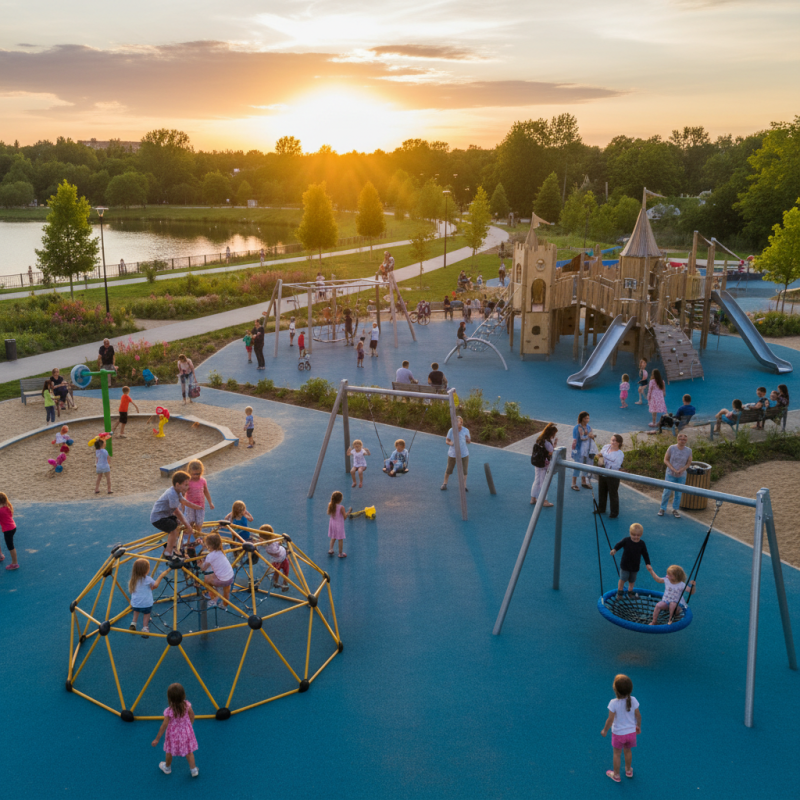
Choosing the right playground for your kids is not an easy task. The right choice can provide endless hours of fun. A top playground should have various features that cater to different age groups and interests.
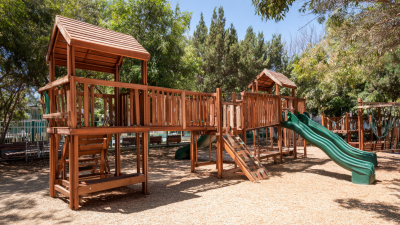
Look for play equipment that challenges your child while ensuring their safety. Swings, slides, and climbing structures should engage children without compromising their well-being. It’s vital to assess the materials used and the maintenance of the playground. Sometimes, local parks may lack the necessary care to keep them safe.
Think about the location as well. Is it close enough for frequent visits? Do you have enough space to supervise your child? Not all playgrounds are ideal, and some may disappoint. A top playground should provoke joy and a sense of adventure, allowing kids to explore and interact.
Understanding the Importance of Playgrounds for Child Development
Playgrounds play a vital role in child development. They offer a space for physical activity and social interaction. Kids learn to share and cooperate while playing with peers. While climbing structures promote strength, swings enhance coordination. These activities contribute to their overall health and well-being.
Children also develop cognitive skills during play. Imaginative play sparks creativity and problem-solving. For example, building sandcastles or pretending to be superheroes fosters innovation. However, not all playgrounds provide these enriching experiences. Some lack suitable equipment or safety measures. This can hinder development and lead to injuries. Parents should critically assess playgrounds to ensure a quality environment for their children.
The right playground encourages exploration and risk-taking. Children need challenges to grow. A slide may seem simple, but it teaches overcoming fears. Yet, too much risk without proper supervision can be distressing. Finding a balance is essential. Parents should engage in discussions about their experiences at different playgrounds. This can guide future choices and ensure children benefit fully from these vital play spaces.
How to Choose the Top Playground for Your Kids Fun? - Understanding the Importance of Playgrounds for Child Development
| Playground Feature |
Importance for Child Development |
Recommended Age Group |
Benefits |
| Slides |
Enhance motor skills and confidence. |
2-10 years |
Encourages physical activity and social interaction. |
| Swings |
Promotes balance and coordination. |
1-10 years |
Supports emotional development through play. |
| Climbing Structures |
Builds strength and problem-solving skills. |
3-12 years |
Fosters social skills when playing collaboratively. |
| Sandboxes |
Encourages creativity and sensory play. |
1-7 years |
Enhances fine motor skills through tactile activities. |
| Water Play Areas |
Stimulates curiosity and scientific exploration. |
3-10 years |
Provides cooling, fun during hot weather. |
Key Features to Look for in a Top Playground for Kids
When choosing a playground for your kids, focus on safety features. Ensure the surface is soft enough to cushion falls. Rubber mats or wood chips are good options. Check for adequate space between equipment. This prevents children from colliding or getting trapped. Regular inspections by the park staff are crucial too.
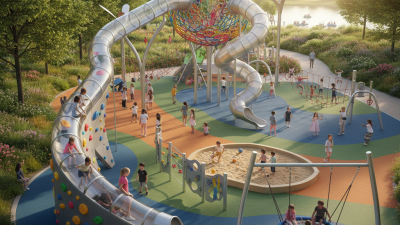
Look for engaging play structures that encourage creativity. Swings, slides, and climbing walls can stimulate physical development. Observe how the playground fits your child’s age and abilities. This will help make their experience enjoyable and safe. Don't forget about shade options to protect them from sun exposure.
Consider community interactions as well. A vibrant playground is often filled with kids from the neighborhood. This fosters friendships and social skills. However, be mindful of overcrowding. Too many kids can lead to chaos, which may not be ideal. Seeking a less popular playground might provide a better experience for your child.
Assessing Safety Standards and Regulations in Playground Design
When choosing a playground for your kids, safety should be the top priority. Assessing safety standards and regulations is crucial in playground design. A well-designed playground minimizes the risk of injuries. Look for equipment that complies with local safety guidelines. The materials used should meet safety requirements to ensure durability and protection.
Tips: Check for safety features like soft landing surfaces. Rubber mats or grass can protect against falls. Look for age-appropriate equipment to keep kids safe. Always inspect equipment for sharp edges or broken parts before use.
Playgrounds should also be regularly maintained. This helps in identifying potential hazards. A poorly maintained playground can lead to accidents. Keep an eye on the playground environment. Are there many adult supervision points? Lack of supervision increases risks for children.
In your quest for a safe playground, consider how the space is designed. Clutter or overcrowding can cause accidents. Choose a layout that allows for free movement. Remember, safety isn’t just about equipment. It’s also about the design and surveillance.
Comparison of Safety Features in Playground Design
Exploring Types of Playground Equipment for Diverse Age Groups
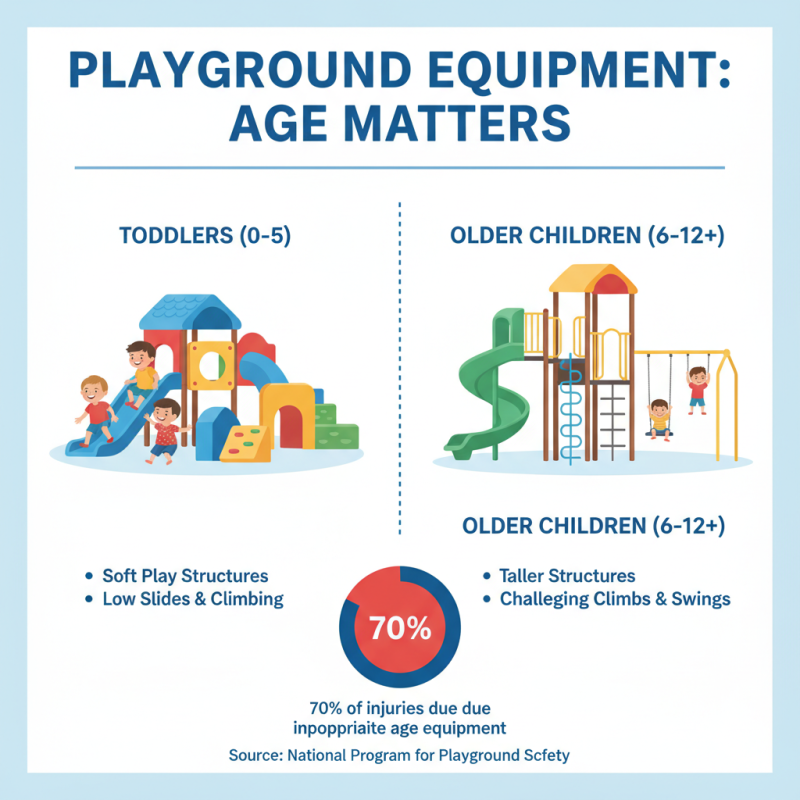
When choosing playground equipment, consider the age of your children. Different age groups need specific designs for safety and enjoyment. For toddlers, soft play structures are ideal. These often feature low slides and climbing areas, ensuring a safe environment. A report from the National Program for Playground Safety indicates that 70% of playground injuries occur due to inappropriate equipment for the child's age.
For preschoolers, interactive equipment is crucial. They benefit from items that encourage social skills and imaginative play. Swings, balance beams, and small climbing walls stimulate physical activity and build confidence. However, overcrowded playgrounds can lead to accidents. Data shows that 34% of injuries result from falls. Sufficient space and supervision can mitigate risks.
Older children require more challenging layouts. Zip lines, climbing towers, and rope courses can engage them physically and mentally. Yet, it's essential to regularly inspect the equipment. Wear and tear can create hazards. Studies reveal that 60% of playground equipment is not properly maintained, posing a danger to kids. Prioritizing safety checks could make play spaces much safer.
Evaluating Accessibility and Location for Family Convenience
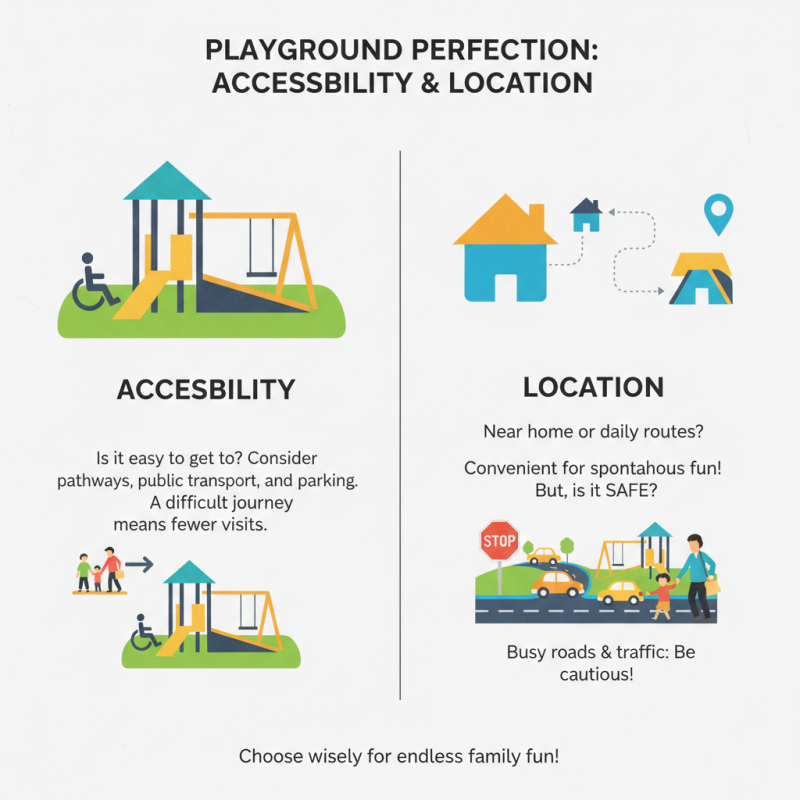
When selecting a playground, accessibility and location are crucial. A playground that is hard to reach will limit your family’s visits. Check if the site is near your home or daily routes. A playground in a busy area might be convenient but could pose safety concerns. If it’s close to main roads, be mindful of traffic.
Parking is another vital factor. Is there enough space for your vehicle? If the lot is full, you may have to walk far with kids in tow. Also, consider sidewalks and paths. Are they stroller-friendly? Older kids may roam, but little ones need safety. A playground easily accessible by foot or bike encourages more visits.
Assess the neighborhood as well. It should feel welcoming and safe. Look for clean areas without too much litter. If a playground seems neglected, it might reflect poor upkeep. Even more, check for nearby facilities. Are restrooms accessible? Is there a shaded area for breaks? These details matter when planning a fun outing.
 +86-13901441113

 CONTACT NUMBER
 CONTACT NUMBER