How to Choose the Top Playground for Your Kids Fun?
Choosing the top playground for your kids is no simple task. Parents often feel overwhelmed by the options available. The right playground can spark joy, creativity, and imagination. It’s where friendships are formed and lifelong memories are created.
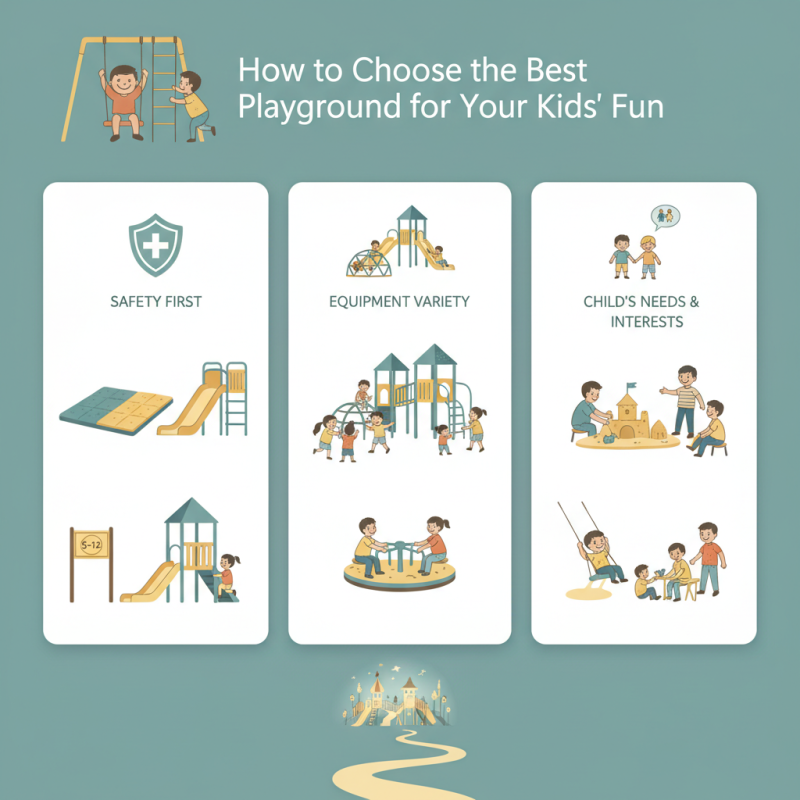
When searching for the top playground, consider safety features first. Play structures should be age-appropriate and well-maintained. Surfaces need to minimize injury risks. Yet, many parks fall short in upkeep and safety inspections. This reality can leave parents unsure about where their children play.
Another important factor is the variety of equipment. Kids enjoy climbing, sliding, and swinging. A well-rounded playground offers diverse activities. However, crowded spaces can lead to frustration. Balancing social interaction with personal space is vital. Ultimately, choosing the right playground involves reflection on your child's unique needs and interests.
Factors to Consider When Selecting a Playground for Children
When selecting a playground for your children, several factors come into play. Safety is paramount. Look for soft surfaces, like grass or rubber mats, that cushion falls. Regular maintenance is key. Inspect the equipment for wear and tear, and be sure it meets safety standards. Age-appropriate features matter too. A playground should cater to various age groups, providing challenges, yet ensuring safety.
Consider the location. A convenient spot encourages frequent visits. Families should find it easy to access. Amenities like restrooms or picnic areas can enhance the experience. Observe how crowded the space gets. A popular playground might hint at its fun factor, but large crowds can be overwhelming for younger children. Additionally, think about shade and seating. Parents need a place to sit while keeping an eye on the kids.
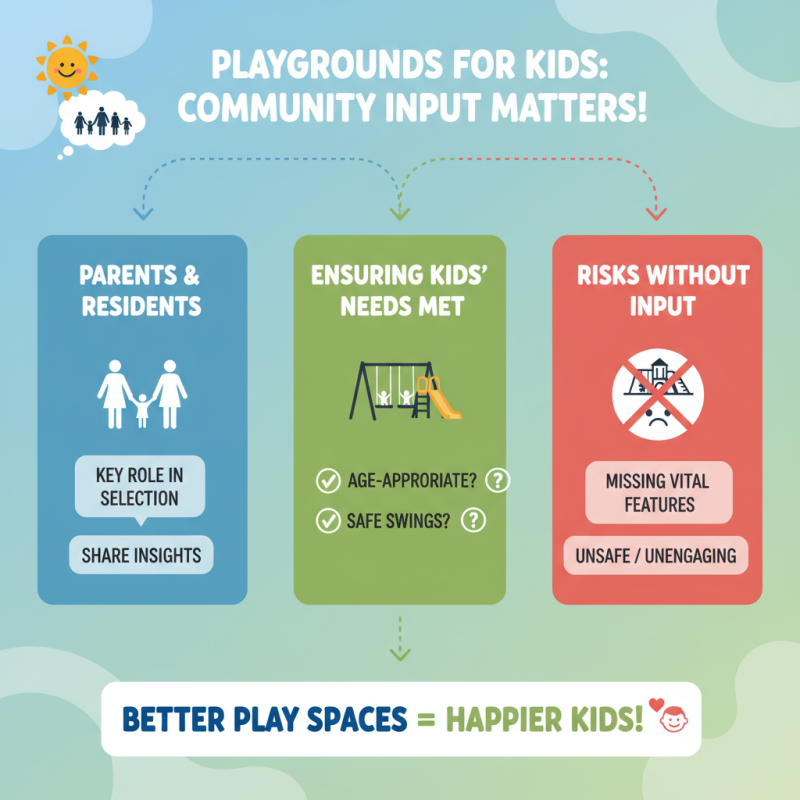
Community involvement can shape a playground's quality. Check for local events or volunteer days. Feeling connected enhances enjoyment. Still, not every playground is perfect. Some might lack variety, while others may have outdated equipment. Reflecting on these imperfections is essential. Seek a balance between excitement and safety for your children's playtime.
Importance of Safety Standards in Playground Equipment Design
When choosing playground equipment, safety is paramount. Equipment should meet strict safety standards. These standards ensure that the materials used are sturdy and non-toxic. Check for the thickness of guardrails and the softness of surfaces. These elements can make a huge difference in preventing injuries.
Regular inspections are necessary to maintain safety. Playground owners should check for wear and tear. Rusty metal or broken parts can lead to accidents. A well-designed playground encourages creative play but must also protect children. Parents often overlook the importance of safety labels. These labels provide crucial information about age appropriateness and usage limits.
Playgrounds should be visually appealing. Bright colors and interesting shapes attract children. However, aesthetics shouldn't outweigh safety. A beautiful slide can be a danger if it has sharp edges. Creating a fun environment is important, but reflecting on safety is essential too. Parents should always evaluate playgrounds with a critical eye.
Age-Appropriate Play Structures and Their Impact on Child Development
Choosing age-appropriate play structures is vital for child development. Young children thrive in environments designed for their unique needs. Playgrounds that cater to toddlers should feature smaller slides and gentle swings. Research shows that such structures promote motor skills and social interactions.
For preschoolers, climbing structures and interactive panels increase physical activity. The National Association for the Education of Young Children emphasizes that play enhances cognitive development. However, some playgrounds lack these critical elements. Kids may become frustrated or bored, leading to missed opportunities for growth.
As children grow, their play needs evolve. School-age kids benefit from more complex equipment. Yet, many local parks still have outdated structures. This gap can hinder teamwork and problem-solving skills. Parents and caregivers must advocate for better options. Observing what engages their children is essential. This reflection can guide future playground choices and support a child's overall development.
Impact of Age-Appropriate Play Structures on Child Development
Benefits of Natural Elements in Playground Design for Cognitive Growth
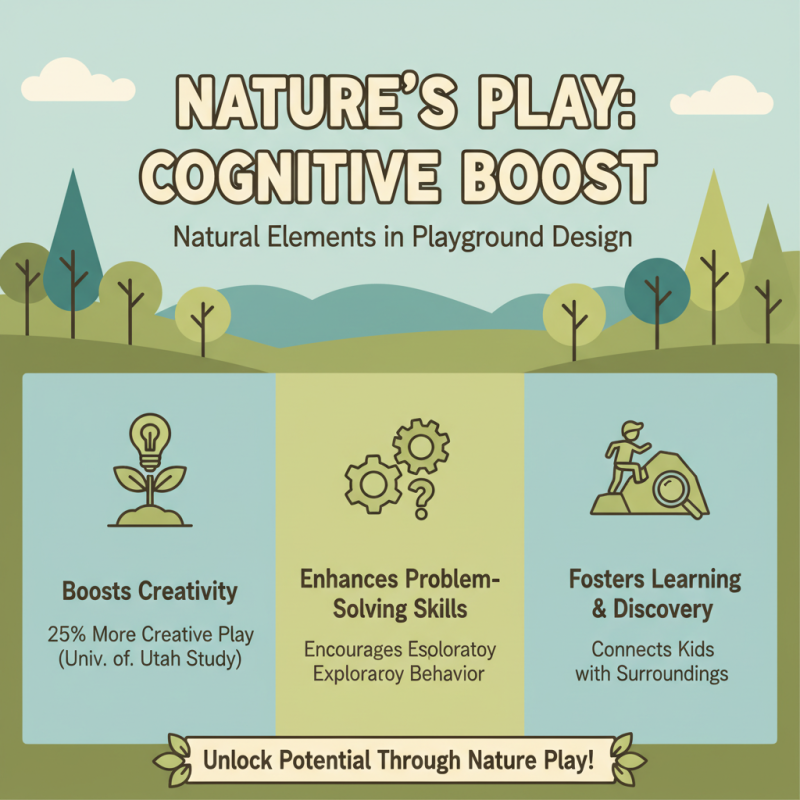
Natural elements in playground design play a crucial role in children's cognitive development. Research shows that when children engage with nature, their creativity and problem-solving skills improve significantly. A study conducted by the University of Utah found that children who play in natural settings are 25% more likely to engage in creative play. This environment encourages exploratory behavior, allowing kids to learn about their surroundings.
Incorporating natural materials—like wood, stone, and plants—into playgrounds offers sensory experiences that artificial materials cannot provide. Natural play spaces stimulate children's senses, fostering curiosity and exploration. A report from the National Association for the Education of Young Children highlights that outdoor play reduces stress. Children feel calmer and more focused when interacting with natural elements.
However, not all playgrounds include these features. Many still emphasize traditional designs with synthetic materials. While these may seem safe, they often lack the cognitive benefits associated with nature. Parents must be aware of the importance of natural playground features. They should advocate for designs that prioritize these elements. A focus on nature in play areas is not merely trendy; it is essential for nurturing well-rounded children's development.
 +86-13901441113

 CONTACT NUMBER
 CONTACT NUMBER