What is an Outdoor Playground Slide and How to Choose One?
Choosing the right Outdoor Playground Slide is crucial for children's enjoyment and safety. Expert Julia Thompson, a designer with over a decade in the playground industry, emphasizes, "A slide should inspire joy, but it must also meet safety standards." Her insight reminds us that not all slides are created equal.
Outdoor Playground Slides come in various shapes, sizes, and materials. It's important to consider factors like age group, height, and the surrounding environment. A well-chosen slide can enhance play experiences. However, parents often feel overwhelmed by options. Some slides look appealing but may lack essential safety features.
Reflecting on these choices reveals the need for careful examination. Not every slide suits every playground. It's worth analyzing local requirements and considering feedback from other users. Balancing fun and safety can be challenging. As experts indicate, informed choices lead to better play environments. The right Outdoor Playground Slide makes a significant difference in a child's development.
What is an Outdoor Playground Slide?
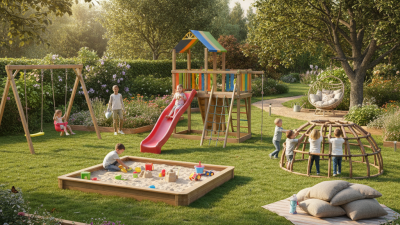
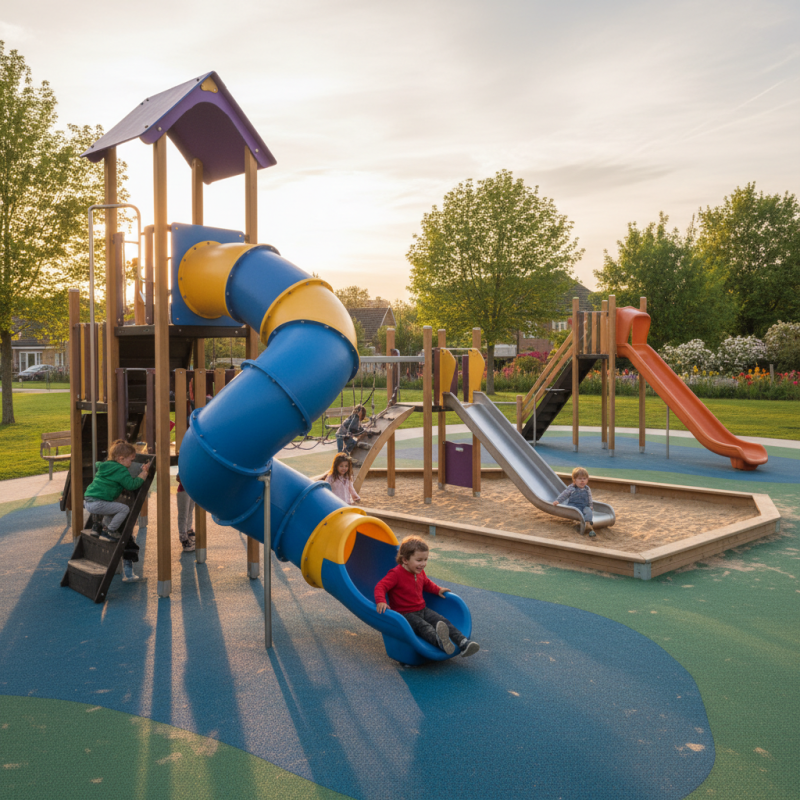
Outdoor playground slides are essential features in children's play areas. They provide excitement and promote physical activity. Made from various materials, they can range from plastic to metal. The design of slides can vary significantly. Some are straight and steep, while others incorporate gentle curves and waves.
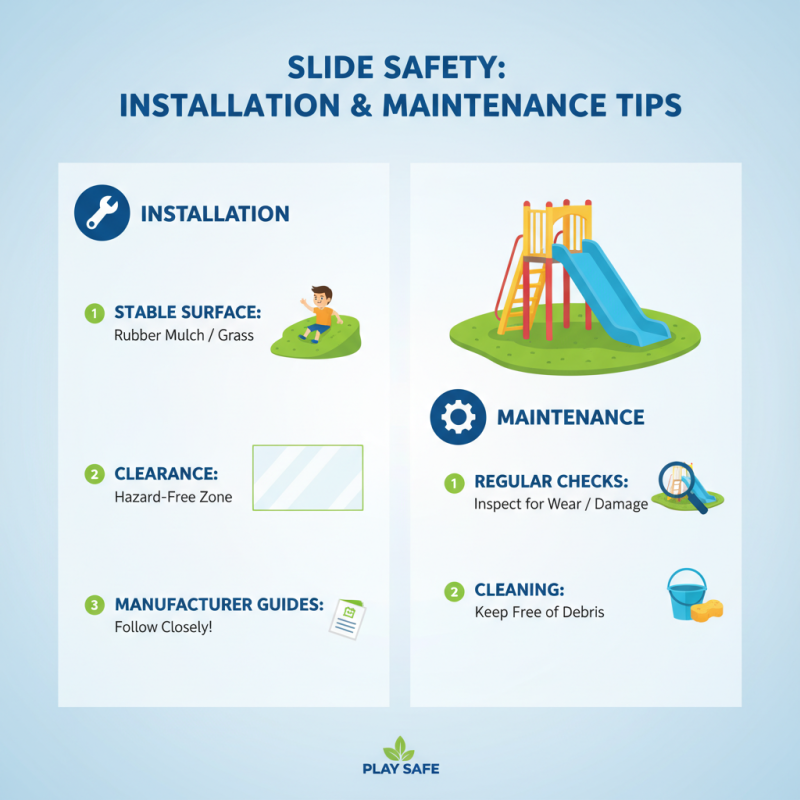
Choosing the right slide requires knowledge and expertise. Parents should consider the slide's height and slope. A steep slide may thrill older kids, but younger children might find it daunting. Safety is paramount, so ensure slides have soft landings and sturdy construction. The surrounding area should be free from hazards. Inspect the equipment regularly for wear and tear.
Not every slide suits every child. Some children might hesitate to try a new slide. Others may leap right in. Observing their behavior helps adults understand their comfort level. If a slide seems too much, it’s okay to wait before trying. This reflection is part of the process and can guide future play choices.
Types of Outdoor Playground Slides Available
Outdoor playground slides are a key feature in children's parks and recreation areas. They come in various types, each catering to different age groups and play styles. According to the International Playground Safety Institute, over 20% of playground injuries are linked to falls from slides. This emphasizes the need for safe designs and materials.
One popular option is the straight slide. It offers a simple descent, perfect for young children. These slides can be built from plastic or metal. Plastic slides are safer, while metal slides provide a classic feel. Another type is the spiral slide, which adds twists and turns, offering a unique experience. Reports from the American Society for Testing and Materials indicate that the height and angle of slides significantly affect their safety. Therefore, careful consideration is necessary when selecting these features.
Additionally, wave slides provide a gentle ride with subtle changes in height. These slides engage children and can be more visually appealing. It's worth noting that not all slides are created equally. Parents and institutions must consider the environment of installation. The ground surface beneath slides should be soft and padded to reduce impact upon falls. Regular maintenance is crucial for safety. Some slides might show wear over time, requiring inspection and repairs. This attention to detail ensures children's safety and enjoyment during play.
Key Features to Consider When Choosing a Slide
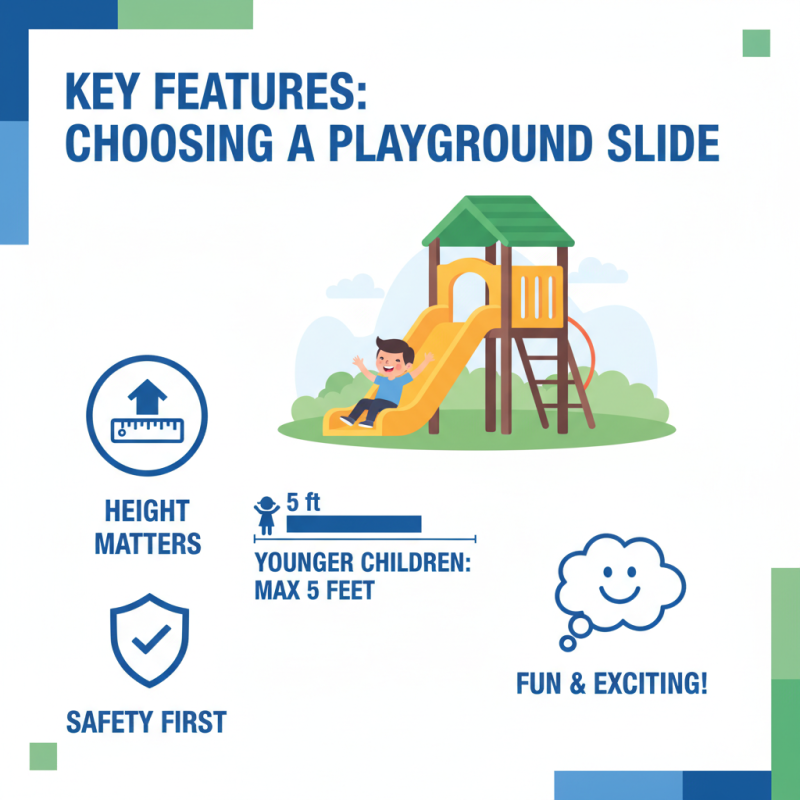
When choosing an outdoor playground slide, consider key features that ensure safety and fun. First, height matters significantly. Research indicates that younger children should use slides that are no taller than 5 feet. This height helps minimize the risk of falls without compromising excitement.
Material is another critical consideration. Slides made of high-density polyethylene (HDPE) withstand weather elements and heavy use. According to industry standards, these materials should be non-toxic and UV-resistant to prolong lifespan and safety. Parents should seek slides with rounded edges to prevent accidents.
Another aspect to weigh is the incline. A steeper slide may seem thrilling, but it can also pose dangers for younger users. The optimal degree of slope varies, but a gentle incline is often recommended for younger children to enhance safety. Also, check for soft landings at the slide's base. Research shows that well-designed landings can mitigate injuries, making the playground safer overall.
Safety Standards and Regulations for Playground Slides
When selecting an outdoor playground slide, safety should always come first. Understanding safety standards and regulations can guide your choices. The American Society for Testing and Materials (ASTM) offers guidelines to ensure slides are safe for children. These standards cover aspects like height, materials, and installation.
Slides should not exceed recommended heights, especially for younger children. Materials used must be durable yet smooth to avoid injuries. Playground equipment should also be placed on soft surfaces, such as sand or mulch, to reduce the risk of falls. Regular inspections are essential for maintaining safety. Over time, wear and tear can lead to potential hazards that need addressing.
It’s vital to consider the age appropriateness of playground slides. Some designs may look fun but may not be suitable for younger kids. Parents and caretakers should always supervise children during play. Creating a safe play environment is not just about meeting standards—it’s about fostering a space where children can play freely and safely.
Comparison of Playground Slide Safety Standards
This chart compares the safety ratings of various playground slide safety standards. Higher scores indicate more stringent safety regulations aimed at ensuring the safety of children using outdoor playground slides.
 +86-13901441113
 CONTACT NUMBER
 CONTACT NUMBER