Top 5 Outdoor Playground Slide Options for Kids Fun?
When it comes to creating unforgettable memories for children, an "Outdoor Playground Slide" is essential. According to playground design expert, Dr. Emily Thompson, “The right slide turns an ordinary day into an adventure.” Her insights emphasize the importance of choosing the right slide to inspire joy.
Outdoor slides come in various styles, shapes, and colors. These features can transform a playground into a vibrant space for kids. As parents, we want to select options that ensure both safety and excitement. In a world full of choices, it can be tough to decide which slides truly meet these needs.
Not every slide will fit every child. Heights, materials, and even design play crucial roles in their experiences. We often overlook some aspects, but understanding a child's unique needs is vital. A good slide must strike a balance between thrill and safety. Our journey of selection should not rush; each child deserves the best.
Top Outdoor Playground Slide Designs for Children's Play Areas
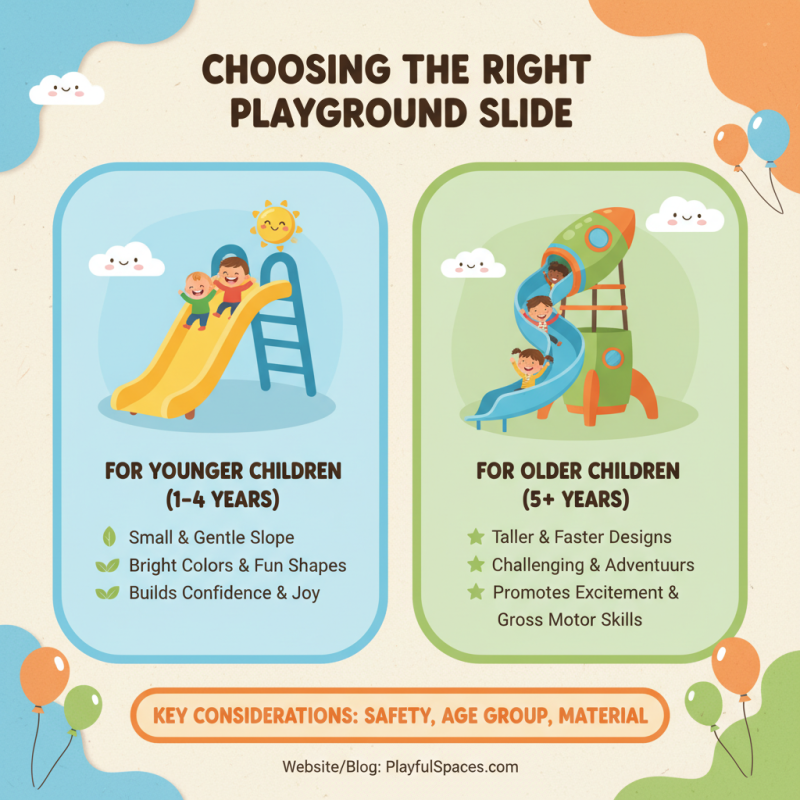
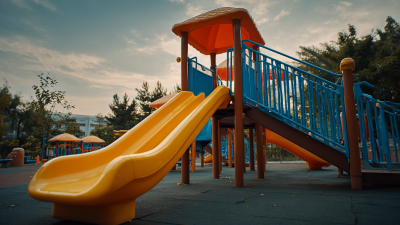
When designing a children's play area, choosing the right slide is essential. Various designs cater to different age groups and preferences. For younger children, small, gentle slides encourage confidence. These slides often feature bright colors and playful shapes. The excitement of sliding down is palpable, as kids giggle in delight.
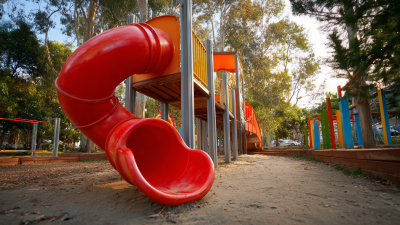
For older kids, consider taller slides with twists and turns. These slides offer an exhilarating experience that invigorates imagination. Curved designs can invoke feelings of adventure. They are great for a group of friends. However, safety should never be an afterthought. It’s important to maintain proper height and cushioning in the landing zone.
Lastly, integrating interactive elements can enhance the overall fun. Slides that connect to climbing structures or tunnels add excitement. Kids enjoy the transition between climbing and sliding. Reflect on the needs of your space. Consider how many kids will play at once. Balance space, safety, and fun to create an engaging area.
Materials Selection for Safe and Durable Playground Slides
When selecting materials for outdoor playground slides, safety and durability are paramount. A recent industry report suggests that slides made from high-density polyethylene (HDPE) can withstand harsh weather conditions. HDPE is resistant to splintering, fading, and cracking. This ensures that children can play with minimal risk of injury.
Another option is metal slides, which are often made from stainless steel. Stainless steel is durable and can last for years. However, it can get extremely hot in the sun, posing a burn risk. In a study, 80% of injuries related to slides were associated with material hazards. Parents should be aware of this.
Wooden slides are another choice, offering a natural aesthetic. However, they require regular maintenance and treatment to prevent splinters. The lifespan of wooden slides can be shorter, as they are vulnerable to rot. A survey found that 40% of playgrounds with wooden equipment faced safety issues. Each material has pros and cons, and the best choice depends on usage and environment.
Safety Features to Consider When Choosing Playground Slides
When choosing a playground slide, safety should always come first. The Consumer Products Safety Commission (CPSC) reports that thousands of children visit emergency rooms due to playground injuries each year. Slides can pose risks like falls or collisions. A well-designed slide can minimize these dangers. Look for features such as rounded edges and slip-resistant surfaces.
Material matters. According to the American Society for Testing and Materials (ASTM), slides made from durable plastic or fiberglass resist wear and tear. They are less likely to splinter compared to wooden slides. Temperature control is crucial as well. Metal slides can become dangerously hot in sunlight. Always consider shade options.
Another safety aspect is height. Research indicates that slides higher than six feet can increase the chance of injury. Proper installation matters too. Gaps between the slide and platform should be minimal to prevent entrapment. Regular inspections are necessary as wear over time can create new hazards. Safety mats surrounding the slide can help cushion falls. Even with precautions, play can be unpredictable. It's vital to supervise children during their adventures.
Maintenance Tips for Keeping Outdoor Slides in Optimal Condition
Outdoor playground slides can provide endless fun. However, regular maintenance is key to keeping them safe and enjoyable. According to a study by the U.S. Consumer Product Safety Commission, nearly 45% of injuries from playground equipment are due to insufficient maintenance. This highlights the importance of checking slides routinely to avoid accidents.
Ensuring that slides are clean is crucial. Dirt and debris can make surfaces slippery and unsafe. A simple weekly cleaning with mild soap can prevent this issue. Inspections should also include checking for sharp edges or cracks. A report from the National Program for Playground Safety indicates that approximately 12,000 children are treated annually for slide-related injuries. This statistic should encourage regular, thorough inspections.
Weather can also take its toll on outdoor slides. Exposure to UV rays can fade colors and weaken materials. A protective coating may help, but it’s not a silver bullet. Regular touch-ups are necessary to maintain quality. Without proper upkeep, slides can deteriorate quickly, leading to safety risks. Ultimately, commitment to maintenance improves longevity and safety.
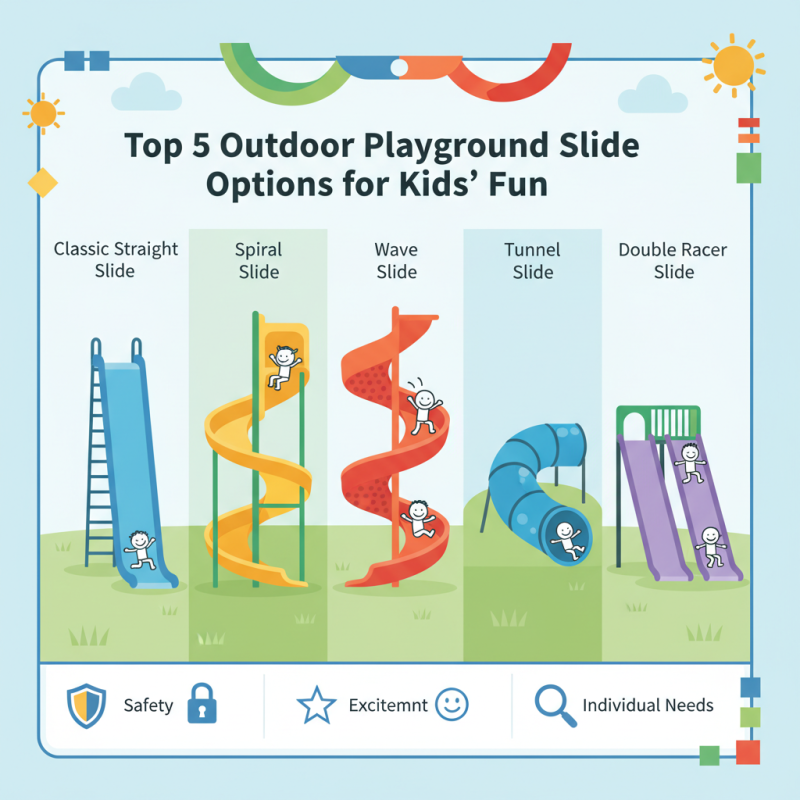
Top 5 Outdoor Playground Slide Options for Kids Fun
| Slide Type |
Material |
Height (ft) |
Age Range |
Maintenance Tips |
| Straight Slide |
Plastic |
5 |
2-8 years |
Check for cracks and ensure safe edges. |
| Curved Slide |
Metal |
6 |
3-10 years |
Remove debris and apply rust protection. |
| Tunnel Slide |
Plastic |
4 |
2-7 years |
Inspect for blockages inside the tunnel. |
| Wave Slide |
Plastic |
5 |
3-8 years |
Regularly check for smoothness and scratches. |
| Double Slide |
Plastic |
5 |
4-10 years |
Keep the area clean and check for stability. |
Creative Ideas for Integrating Slides into Playground Designs
Integrating slides into playground designs can enhance the fun factor for kids. Consider different shapes and heights to cater to varying age groups.
Curved slides can add excitement, while straight ones offer a speed thrill.
The choice of materials is essential too. Smooth surfaces ensure a fun ride, while safety measures must be prioritized.
Tip: Look for slides that incorporate interactive elements, like climbing walls or tunnels.
These features can spark children's imaginations and provide creative play opportunities. An outdoor slide surrounded by greenery can blend nature with play.
It's important to think about accessibility. Some playgrounds might not be as friendly for all kids.
Including slides that can accommodate children with disabilities is essential. A step-by-step approach allows gradual engagement, ensuring everyone gets a chance to play.
Tip: Use color contrasts to help kids identify different playground zones.
Playful colors can also make the area visually appealing. Remember, the design journey can be imperfect; ideas may evolve as you build.
Embrace the process, check for safety, and adjust designs as you learn what works best for the children.
 +86-13901441113

 CONTACT NUMBER
 CONTACT NUMBER