Top Playground Designs for Family Fun and Adventure?
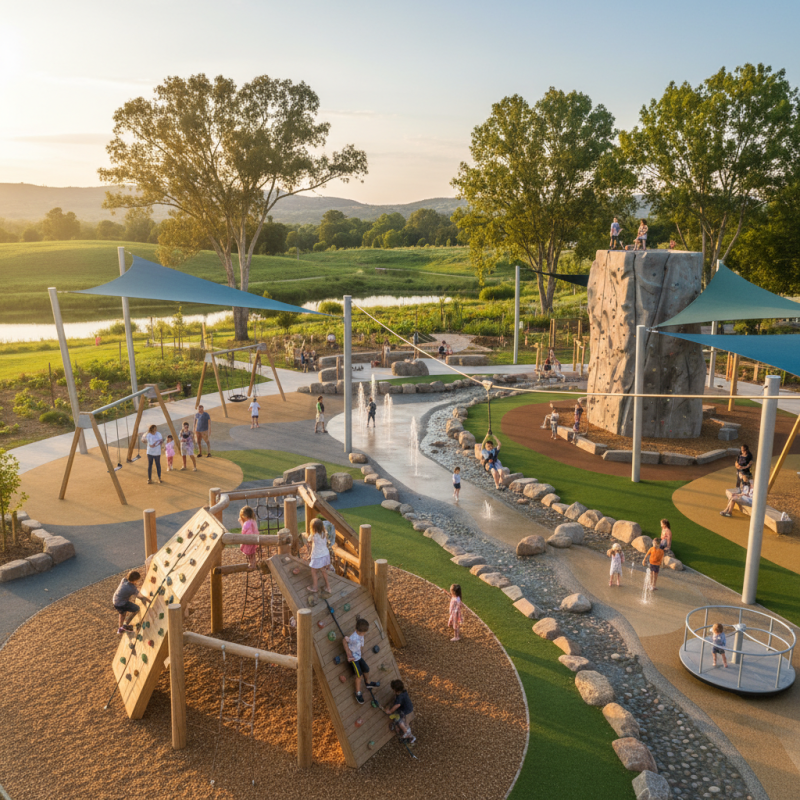
Creating the ultimate playground can inspire joy and adventure in families. The "Top Playground" designs cater to all ages, offering a blend of creativity and functionality. Playgrounds are not just about swings and slides; they embody exploration and community.
These spaces encourage kids to engage with nature, improve physical health, and foster social skills. Features like climbing walls, zip lines, and interactive water zones ignite excitement. Families seek well-designed playgrounds where fun meets safety.
However, not all playgrounds meet these goals. Some may lack sufficient shade or accessible equipment. It's crucial to reflect on what makes a playground truly great. The best designs invite imagination, interaction, and inclusivity while considering the needs of all children. The right playground can create cherished family memories and community connections.
Innovative Playground Layouts that Foster Family Interaction
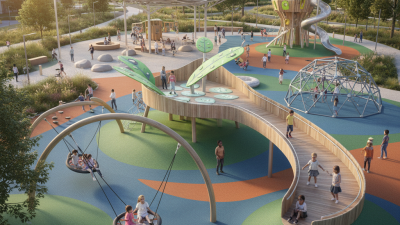
Playground designs can significantly influence family interaction and bonding time. Through thoughtful layouts, parents and children can engage more actively. Features like climbing walls, rope bridges, and open spaces encourage cooperative play. Families can enjoy activities together, fostering a sense of adventure.
Zones for different age groups create a balanced environment. A separate toddler area allows younger kids to explore safely. Meanwhile, older children can tackle more complex structures. However, a lack of supervision in these zones can sometimes lead to chaos. It’s vital for caregivers to stay engaged.
Natural elements like trees and gardens can also enhance the experience. They provide shade and teach children about the environment. Incorporating seating areas allows families to relax and connect. Still, overcrowded spaces may detract from the enjoyment. Reflection on the layout can lead to improvements. Designing playgrounds with these considerations invites more meaningful family moments.
Unique Themed Play Areas to Spark Imagination and Adventure
When designing play areas, themed playgrounds offer unique experiences. Imagine a pirate ship turned into a slide. Kids can climb aboard, pretending to sail the seas. Bright colors and bold shapes enhance the adventure, sparking their imaginations.
Spaces themed around fairy tales are enchanting. A castle with turrets invites little princes and princesses to explore. They can weave in and out through tunnels and bridges. It promotes creative play, but not all children may feel included in these fantasies.
Accessibility is vital for all kids.
Nature-inspired designs are also captivating. Think of a forest setting with treehouses and rope bridges. It connects children with the outdoors. Still, it’s important to ensure safety while playing among real trees. Balancing adventure and security is challenging. Kids need both excitement and a safe environment to thrive.
Safety Considerations in Playground Design for All Ages
When designing playgrounds, safety is paramount. Equipment should be age-appropriate. For younger children, low platforms and soft materials are essential. For older kids, climbing structures can offer a thrilling experience, yet they must be sturdy and well-anchored. Open spaces should allow kids to run freely but be monitored to reduce risks of accidents.
Tips: Choose equipment with rounded edges to minimize injuries. Regular inspections help identify wear and tear. Surfaces should absorb impact better. Rubber mats or sand can reduce falls effectively. Yet, even the best designs have flaws. Often, we overlook smaller details. Sometimes, a swing too close to a wall or tree can pose significant risks.
Creating a space inclusive for all ages adds complexity. Consider the needs of children with disabilities. Ensure there are adaptive swings or sensory areas. Balance is key; older kids need challenges while younger ones require safety. Parents should take an active role in supervising. Often, playgrounds lack clear guidelines for usage times, increasing safety concerns. Realizing these imperfections can lead to better designs.
Top Playground Designs for Family Fun and Adventure
Incorporating Nature and Eco-Friendly Features in Playgrounds
Creating playgrounds with nature and eco-friendly features can promote
family fun while nurturing a love for the environment.
According to the National Recreation and Park Association,
85% of parents prefer playgrounds that integrate natural elements. These elements can include logs, boulders, and native plants, allowing children to explore and connect with nature.
Incorporating sustainability into playground design shows promising potential.
A study by the American Society of Landscape Architects revealed that
75% of children showed increased creativity when playing in natural settings.
Playground structures made from recycled materials not only reduce
waste but also provide children with a sense of adventure. However, many designs still overlook essential greenery.
Open spaces often lack shade and diverse plant life.
Despite the push for eco-friendly playgrounds, challenges persist. Funding for natural designs is often limited.
Some municipalities prioritize traditional metal and plastic structures. Yet, when provided with nature-rich
play areas, children are more likely to engage in imaginative play. Integrating sustainability can't be an afterthought;
it requires a shift in mindset. The joy of adventure lies in nature, but achieving this balance is still a work in progress.
Community Involvement in Designing Inclusive Play Spaces
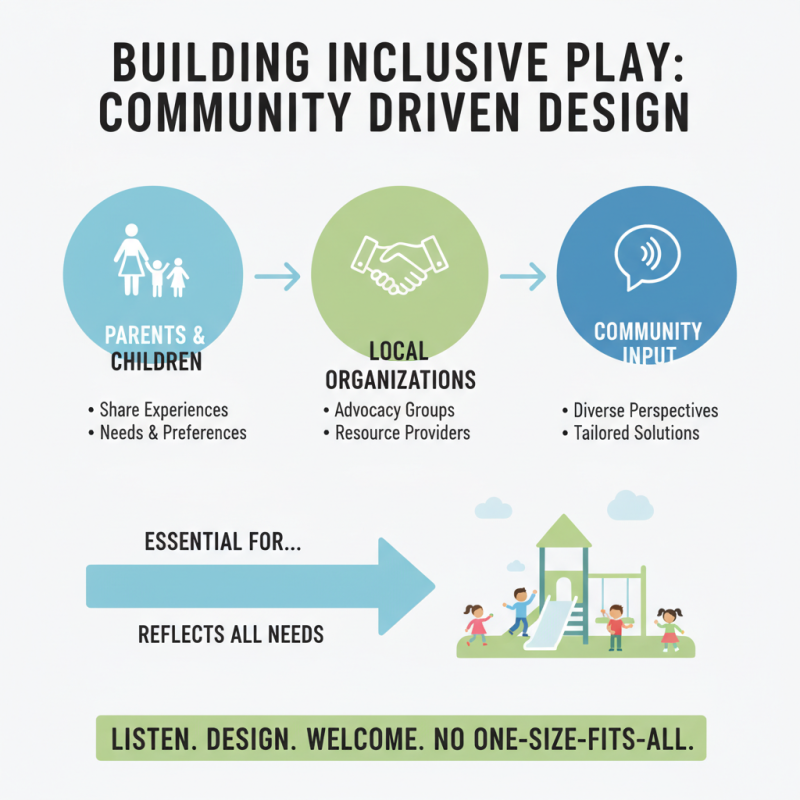
Creating inclusive play spaces requires input from the community. Parents, children, and local organizations play crucial roles in designing these areas. Their insights can help reflect the needs of various groups, ensuring everyone feels welcome. Listening to their feedback is essential in avoiding one-size-fits-all structures.
One effective tip is to hold community meetings. Gather local families and ask them what they want in a playground. Observations of current play areas can guide discussions. Sometimes, simple suggestions from children lead to great ideas. For instance, adding sensory elements can fulfill the needs of children with disabilities.
Another useful approach is to include diverse playground equipment. Balance beams, spinning wheels, and musical instruments cater to different skills. Create sections for various age groups to promote safe and engaging play. However, remember that not every idea will be feasible. Some concepts may need revisiting, so be open to refining designs as feedback is obtained.
 +86-13901441113

 CONTACT NUMBER
 CONTACT NUMBER