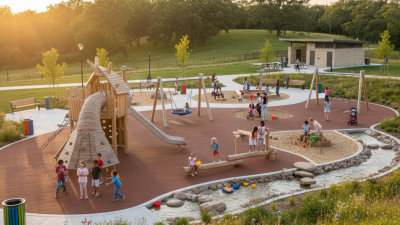
How to Choose Safe Garden Play Equipment for Kids?
Choosing safe Garden Play equipment is less about buying the brightest slide. It is about understanding how children move, climb, fall, and test limits. A beautiful swing set can still hide weak anchors, sharp edges, or unsafe gaps. Parents should examine each part before purchase, not only trust attractive product images.
Dr. Donna Thompson, a leading playground safety specialist and former director of the National Program for Playground Safety, has said, “Supervision is the best way to prevent injuries.” Her reminder matters because equipment alone cannot manage every decision. Check the recommended age range, weight limits, fall zones, protective surfacing, and installation instructions. Look closely at bolts, ropes, platforms, and handrails. Small fingers can enter spaces that adults barely notice. Wet wood, loose soil, and strong sunlight also change play conditions.
This guide will explore practical ways to assess Garden Play equipment before children use it. It will discuss materials, stability, impact-absorbing surfaces, weather resistance, and daily inspection habits. It will also consider how children actually play, including hurried climbing and unexpected jumping. A checklist helps, but it cannot notice everything. I have learned that safety often depends on small details, such as a slightly loose anchor or a worn swing seat. Some recommendations may require reconsideration after installation. The safest choice is not always the largest or most expensive set. It is the equipment that fits the child, the garden, and the family’s ability to supervise and maintain it.
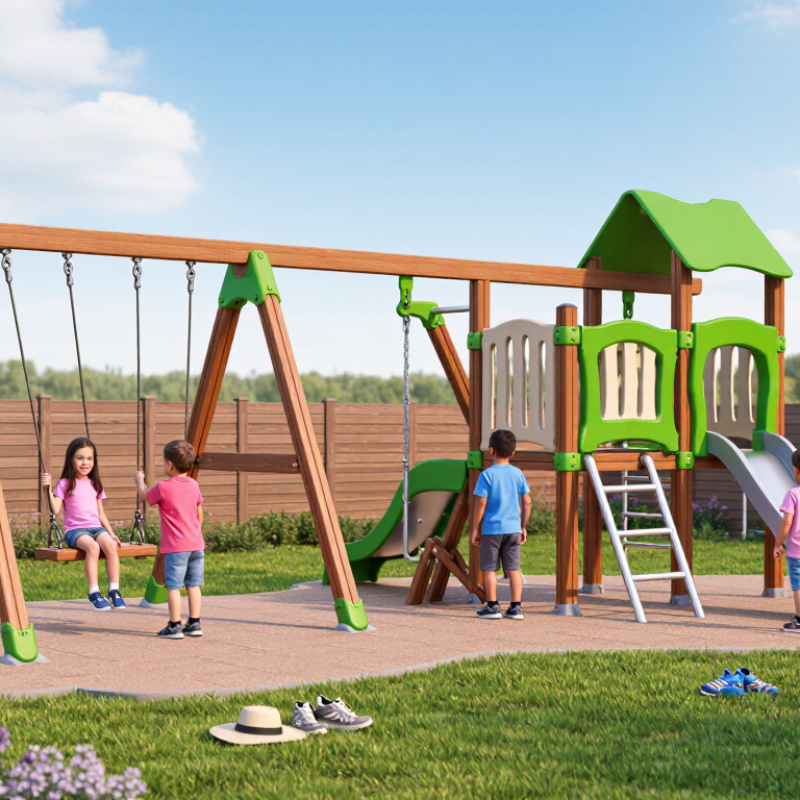
Define Safety Standards for Garden Play Equipment
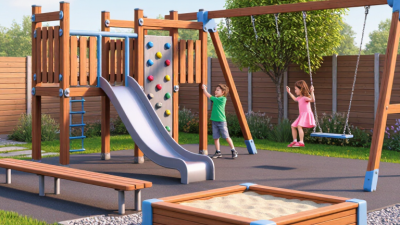
Safe garden play equipment begins with clear, measurable safety standards, not attractive colors or exciting features. Choose equipment suited to the child’s age, height, strength, and coordination. The frame should remain stable when an adult gently pushes it from several directions. Check every bolt, joint, and anchor point.
Look closely at the fall zone. It should have impact-absorbing material, enough depth, and no stones, roots, or exposed concrete. Grass may look soft, but it can become hard during dry weather. Platforms need secure barriers, while openings must prevent a child’s head or body from becoming trapped. Remove sharp edges, rough wood, loose ropes, and narrow gaps near moving parts.
Safety standards also include daily supervision and regular maintenance. Before play, feel the surface for heat, inspect swing seats, and test whether fasteners have loosened. Follow the equipment’s installation instructions and check whether it meets relevant national or independent testing standards. Keep records of repairs and inspection dates. Simple records help reveal repeated problems.
No checklist is perfect. I once focused on a loose screw and missed water collecting beneath the slide. That small detail mattered. Weather changes the equipment, so inspect it after storms, frost, and strong sunlight. Children also use equipment in unexpected ways. A structure that seems safe may become risky when several children climb it together. Safety standards must guide observation, not replace it.
Assess Age Appropriateness and Child Development Needs
Choosing garden play equipment starts with the child, not the product. Age labels offer a useful boundary, but they cannot measure every child’s development. A confident four-year-old may climb well, while another may still need lower steps and wider handholds. The U.S. Consumer Product Safety Commission reports over 200,000 playground-related emergency visits among children each year. Falls cause many of these injuries, according to its Public Playground Safety Handbook. That figure makes “just one size bigger” a poor decision.
Match equipment with current abilities. Toddlers benefit from short slides, stable platforms, and simple push-and-pull activities. Preschoolers need manageable climbing, balancing, and swinging challenges. Older children can use taller structures, but only when grip strength, coordination, and judgment are ready. Watch for frustration, repeated slips, or unsafe jumping. These are practical warning signs. Developmental progress is uneven. I sometimes overestimate confidence, so observing play for several minutes matters more than guessing from age alone.
Tips: Check the age range and weight limit. Choose handholds that fit small hands. Keep fall zones clear and use impact-absorbing surfacing. Inspect screws, ropes, and edges weekly. Allow challenge, not fear. The CPSC handbook also recommends age-separating play areas where possible, reducing collisions between toddlers and faster-moving children. No checklist is perfect. Ask whether the equipment supports today’s skills, not an imagined future child.
Inspect Materials, Design, and Equipment Stability
Choosing garden play equipment requires more than bright colors and cheerful shapes. Materials, design, and stability deserve close inspection. The U.S. Consumer Product Safety Commission reports about 200,000 playground injuries treated in emergency departments each year. Its Public Playground Safety Handbook identifies falls as a major injury source. That warning applies to home gardens too.
Look for smooth, non-toxic surfaces without splinters, sharp edges, exposed bolts, or brittle plastic. Wood should feel solid and remain dry after rain. Metal should resist rust and avoid heat-trapping dark surfaces. Check the design for finger openings, head entrapment gaps, climbing risks, and reachable pinch points. Equipment should match the child’s age, height, and ability. A well-designed slide can still become unsafe beside a wall, fence, or hard paving. I have learned that a checklist helps, but it never replaces watching children use the equipment.
Tips: Place equipment on impact-absorbing surfacing, not concrete or thin grass. Anchor swings, slides, and climbing frames according to the manufacturer’s instructions. Test movement by pushing each structure firmly before play. Recheck anchors after heavy rain or soil movement. CPSC guidance recommends maintaining protective surfacing and keeping hazards clear around play areas. The European standard EN 1176 also emphasizes structural strength, safe spacing, and entrapment prevention. Inspect weekly during frequent use. Small cracks matter. A loose handle today may become a fall tomorrow.
Establish Safe Use, Supervision, and Maintenance Practices
Safe garden play equipment is only as safe as its daily use. Before children play, check the equipment’s age guidance, weight limits, ground stability, and fall area. Soft, impact-absorbing ground should extend around climbing frames and swings. Grass can hide stones, roots, or hard soil.
Supervision needs more than being nearby. Stay close enough to stop unsafe climbing, pushing, or jumping. Keep phones and distractions away. Set simple rules, such as waiting turns and using slides feet-first. Young children may need hand guidance, even when equipment looks easy. I once assumed a low platform was harmless, but a small child slipped while turning around. That mistake changed how closely I watch transitions.
Inspect the equipment regularly. Tighten loose bolts, replace cracked plastic, and remove splinters from wooden surfaces. Check swing seats, ropes, chains, anchors, and protective caps. Look underneath for trapped objects. Stop use after heavy rain, strong wind, or extreme heat until surfaces are dry and comfortable. A weekly check helps, but it is not perfect. Parts can loosen between inspections. Ask children what feels unstable or uncomfortable; they often notice problems adults miss. Keep a simple maintenance record with the inspection date and any repair needed.
How to Choose Safe Garden Play Equipment for Kids?
Establish Safe Use, Supervision, and Maintenance Practices
Falls account for approximately 75% of playground-related injuries treated in U.S. emergency departments. Choose equipment with impact-absorbing surfacing, age-appropriate designs, and secure guardrails. Adults should actively supervise children, check for hazards before use, and maintain equipment regularly.
Source: U.S. Centers for Disease Control and Prevention, “Preventing Playground Injuries.” The “Other mechanisms” value represents the approximate remainder.
 +86-13901441113

 CONTACT NUMBER
 CONTACT NUMBER