How to Choose the Best Outdoor Play Slide for Kids?
Choosing the best Outdoor Play Slide for kids can feel overwhelming. With so many options, making the right choice is crucial. A well-suited slide can enhance your child's playtime and promote healthy physical activity. Kids love to slide down and explore, making it an essential backyard feature.
When selecting an Outdoor Play Slide, consider safety and material quality. Look for slides made of durable plastic or metal that can withstand various weather conditions. Safety features, such as high side rails and non-slip surfaces, are important. Your child’s age and height will also affect the slide size.
Reflecting on your space is essential. Ensure the slide fits your yard and is positioned away from hard surfaces. Consider your child’s preferences. Some might enjoy a straight slide, while others prefer curves. Engaging your child in the decision can lead to a more enjoyable experience. Balancing safety, fun, and practicality is key in your choice.
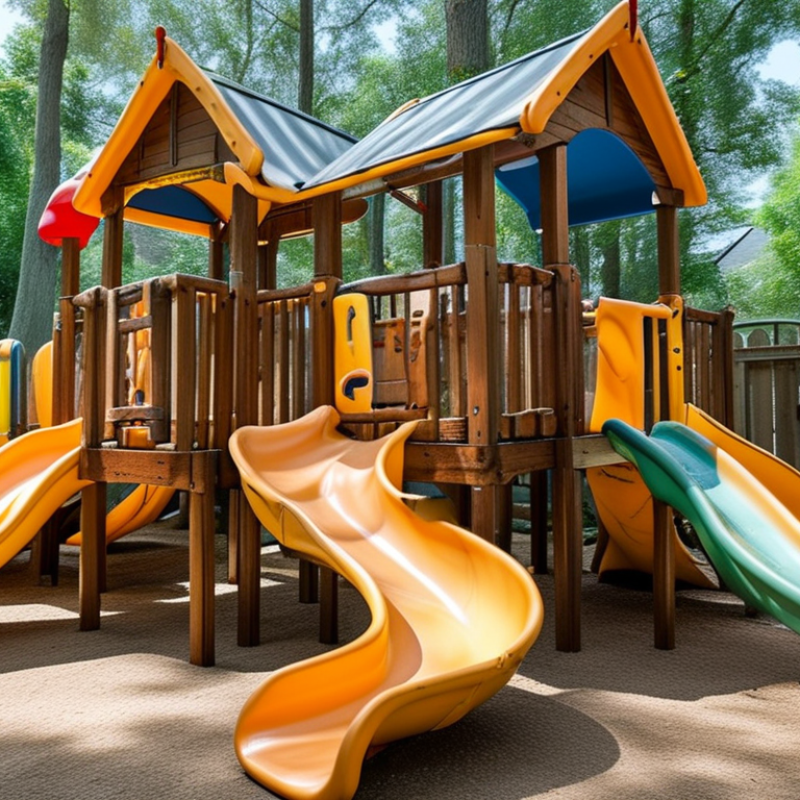
Understanding Different Types of Outdoor Play Slides Available for Kids
When selecting an outdoor play slide for kids, understanding the various types is crucial. Slides range from simple plastic models to elaborate multi-tier structures. According to the American Association of Pediatrics, children need physically engaging activities to promote physical health and social skills. Slides can support these developments, making the choice of slide significant.
Plastic slides are commonly preferred for their affordability and ease of setup. They are lightweight and portable, making them ideal for smaller yards. However, some may wear out quickly compared to metal slides, which are often more durable. A recent report indicated that metal slides can last 3 to 5 years longer than their plastic counterparts. Still, they may heat up under the sun, posing a risk of burns. This is a concern for parents who prioritize safety alongside longevity.
Another option includes climbing slides, which combine slides and climbing walls. These structures can encourage more active play. Some studies show that climbing activities can enhance coordination and balance in children. However, they tend to require more space and may not fit every yard. Selecting the best slide involves assessing space, material longevity, and safety features while balancing the developmental needs of children.
How to Choose the Best Outdoor Play Slide for Kids?
| Type of Slide |
Material |
Age Group |
Height |
Safety Features |
| Plastic Slide |
High-Density Polyethylene |
2-6 Years |
3 to 5 ft |
Rounded Edges, Non-Slip Steps |
| Metal Slide |
Galvanized Steel |
5-12 Years |
5 to 10 ft |
Sturdy Construction, Safety Guard Rails |
| Wooden Slide |
Pine or Cedar |
3-10 Years |
4 to 8 ft |
Smooth Surface, Safety Coating |
| Inflatable Slide |
PVC Vinyl |
3-10 Years |
Variable (Up to 15 ft) |
Soft Edges, Non-Slip Surface |
Key Safety Features to Consider When Choosing a Slide
When selecting an outdoor play slide, safety should be the top priority. According to the Consumer Product Safety Commission, slides account for 17% of all playground injuries. Many of these incidents can be prevented by evaluating key safety features before making a purchase.
A sturdy base is essential. Slides that are anchored securely minimize the risk of tipping. Opt for models with wide, stable platforms. Ensure the slide material is durable. High-density polyethylene is popular due to its strength and resistance to weather elements. It won’t crack easily, which is vital for long-term use.
Consider the slide's height and slope. The ideal height for children aged 2-5 is between 3 to 5 feet. A gentler incline helps prevent falls. Additionally, check for handrails. A slide with side barriers enhances safety and gives children something to grip while climbing. Regular maintenance is critical. Inspect for cracks or defects routinely. Children’s safety is paramount, and every detail matters.
Determining the Appropriate Size and Height for Your Child
Choosing the right size and height for an outdoor play slide is crucial for safety and enjoyment. Research from the Consumer Product Safety Commission shows that slides designed for children aged 2-5 should be no taller than 5 feet. This height allows for safer, more manageable slides that suit younger children's developmental abilities. For older kids, slides can reach heights of 8 feet, but they should always be supervised during play.
Considering your child's height and weight is essential. A slide that is too large may intimidate younger children, causing anxiety or injury. Studies indicate that children prefer slides tailored to their size, enhancing confidence and encouraging active play. For instance, a slide that is 3 feet tall may be perfect for a 4-year-old, promoting higher engagement.
Reflecting on these factors is important. Parents often overlook the need for gradual exposure to higher slides. Children may benefit from starting small and progressively moving up as they grow and gain confidence. It’s not merely about fun; it’s about fostering a safe environment that promotes development while keeping playtime enjoyable.
Material Options: Plastic vs. Metal for Outdoor Slides
When choosing an outdoor play slide for kids, the material plays a crucial role.
Two primary options are plastic and metal. Plastic slides are often lightweight and easy to move.
They come in various vibrant colors, making them visually appealing to children. However, they may
not withstand extreme weather conditions as well as metal. Some plastic slides can become brittle
over time, especially in cold climates.
Metal slides, on the other hand, are durable and sturdy. They are less likely to fade and can handle
heavy use. However, metal slides can become hot in direct sunlight, which may be uncomfortable for kids.
They also tend to be heavier and more challenging to install. Evaluating the climate and usage level is essential.
Both materials have their pros and cons, making the decision not straightforward. Some parents might overlook
safety features while focusing on appearance. Checking for smooth surfaces and safety rails is critical
regardless of the material. Balancing aesthetics with practicality can ensure a safe and enjoyable play experience for children.
Budget Considerations: Finding Quality Slides Within Your Price Range
When considering outdoor play slides, budget is a key factor. Parents often face tight financial constraints but still want safe, high-quality options for their children. According to a 2022 survey by the American Specialty Toy Retailing Association, families are willing to invest an average of $150 to $300 on outdoor play equipment. This means finding a balance between price and quality.
Quality slides often have durable materials and safety features, which add to their cost. Data from Consumer Product Safety Commission shows that the right slide can improve safety and enhance play experience. Investing in a slide priced at $250 may seem steep, but it can provide years of enjoyment and reduce injury risks. However, some parents may discover that lower-priced options compromise safety standards.
It’s crucial to consider other costs as well. Installation, maintenance, and additional play area safety measures can add up. An estimated 70% of families overlook these expenses when budgeting. Reflecting on these factors will help guide wise choices. Ensuring children have safe play experiences while staying within budget should be a parent’s top priority.
 +86-13901441113

 CONTACT NUMBER
 CONTACT NUMBER